5
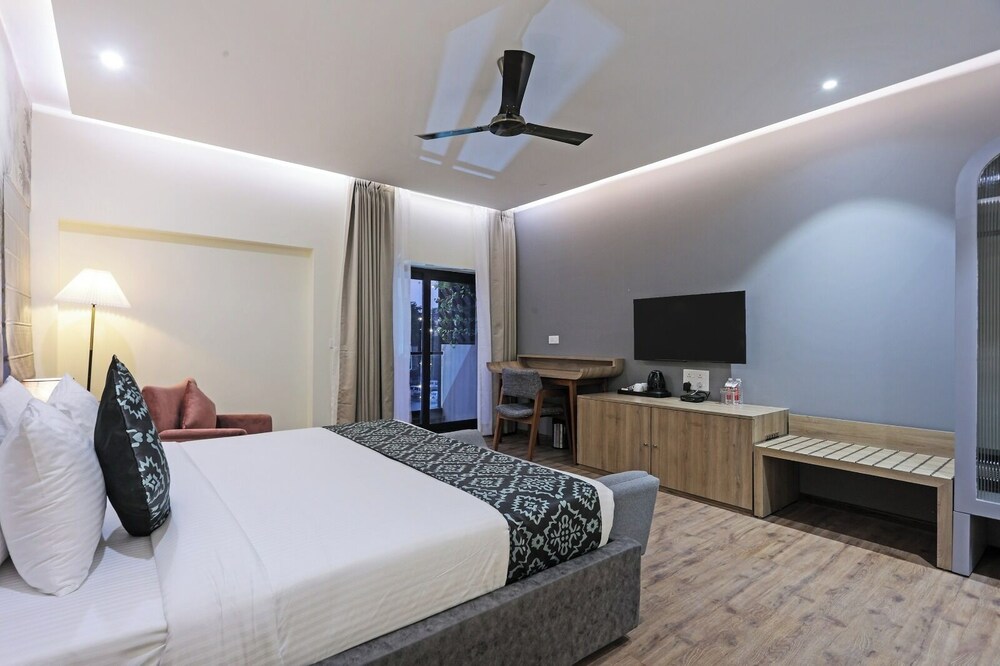
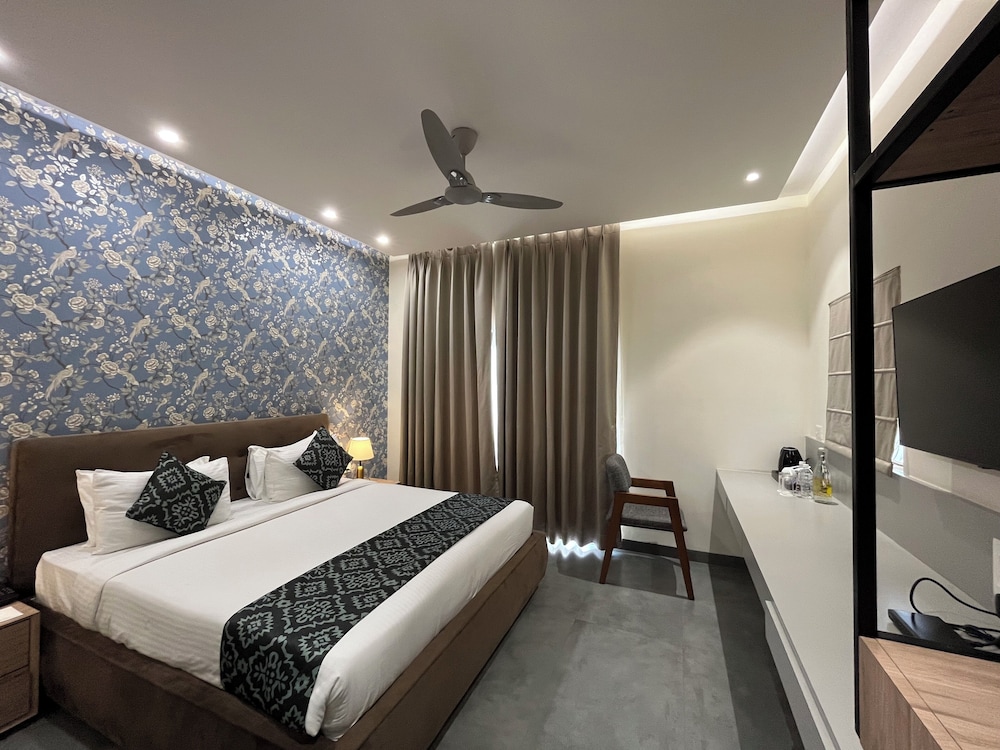
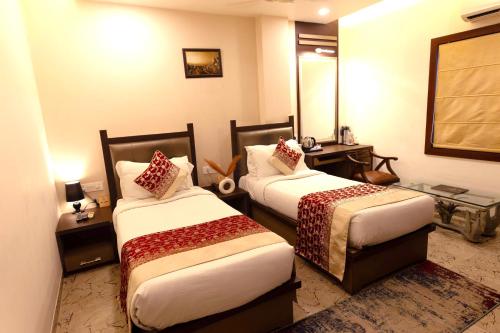
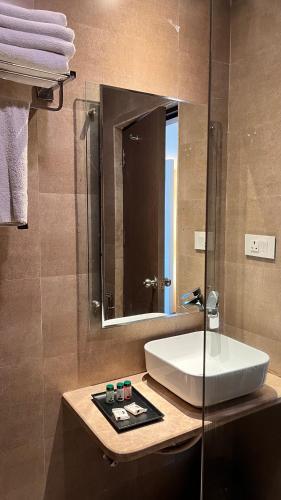
Taj Ganges, Varanasi in Chaukaghat
4.5(9.2k)
2 nights · 1 room
2 nights · 1 room
2 nights · 1 room
2 nights · 1 room
2 nights · 1 room
2 nights · 1 room
2 nights · 1 room

2 nights · 1 room
2 nights · 1 room
2 nights · 1 room
2 nights · 1 room
2 nights · 1 room
2 nights · 1 room
2 nights · 1 room
2 nights · 1 room
2 nights · 1 room

2 nights · 1 room
2 nights · 1 room
2 nights · 1 room
2 nights · 1 room
2 nights · 1 room
Varanasi - Banaras, Kashi, whichever name your family uses - is one of the oldest living cities in the world, and it is laid out unlike almost anywhere else you'll stay in India. The best hotel for you depends far less on star rating than on where in the city it sits: in the lanes above the ghats, at the calmer southern end near Assi, or out in the wider roads of the Cantonment.
This guide walks through each area honestly - what it's good for, what it's tricky for, and who it suits - so you can pick a Varanasi hotel that fits the trip you're actually planning, whether that's a honeymoon, a family pilgrimage with elderly parents, or a slow luxury escape.
Think of Varanasi as three bands running parallel to the Ganga.
The first band is the river itself and the ghats - more than 80 stone stairways stretching roughly 6–7 km along the western bank, from Assi in the south to Raj Ghat in the north. You can walk most of this stretch along the water.
The second band is the old city: a maze of narrow galis (lanes) behind the ghats, many of them too narrow for cars. This is where Kashi Vishwanath Temple, the famous sweet shops and many of the most atmospheric guest houses and heritage hotels are.
The third band is the "new" city along the main roads - Godowlia, Luxa, Sigra, Mahmoorganj - and then the Cantonment (Cantt) area near Varanasi Junction railway station, where you'll find large hotels, wide driveways and easy taxi access.
The key trade-off is simple: the closer you stay to the river, the more atmosphere you get and the harder vehicle access becomes. Cars are generally stopped at or before Godowlia crossing for much of the day, so a riverside stay can mean the last stretch is on foot, by e-rickshaw or with a porter carrying your bags.
If your trip revolves around the evening Ganga Aarti and darshan at Kashi Vishwanath, this is the area to look at first. Dashashwamedh Ghat hosts the grand evening aarti, and the temple corridor is a short walk away through the lanes.
Hotels here range from simple family-run guest houses to mid-range hotels with rooftop restaurants overlooking the river. Rooms tend to be smaller than in Cantt, and lifts are not guaranteed in older buildings - worth checking if you're travelling with parents who can't manage stairs.
Assi sits at the southern end of the ghats, about 3 km from Dashashwamedh. It's noticeably calmer, with cafés, bookshops, music schools and a younger, slower feel. Every morning, Subah-e-Banaras at Assi Ghat begins before sunrise with aarti, classical music and yoga - a gentler alternative to the evening crowds further north.
Road access at Assi is easier than in the central lanes, which makes it a practical compromise for families who want to be near the river without the luggage struggle. From here, you can walk north along the ghats or take a boat to Dashashwamedh in about 20–30 minutes.
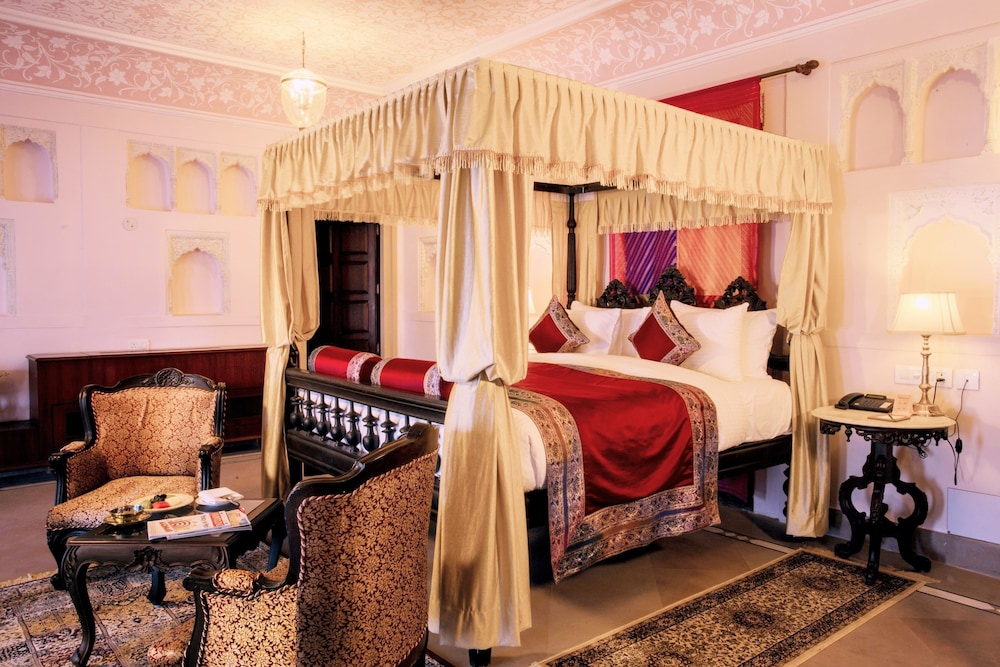
Along the ghats, a handful of old palaces and havelis have been turned into heritage hotels. Waking up to the river from your window - boats drifting past, bells from the ghats, mist lifting in winter - is the experience many travellers come to Varanasi for.
Some, like BrijRama Palace at Darbhanga Ghat, are full luxury properties; others are smaller boutique havelis between Assi and Dashashwamedh. Many arrange private boat transfers, and some offer the boat as the main way in and out.
The trade-offs: rooms in centuries-old buildings vary a lot in size and shape, stairs are common, and "Ganga view" can mean anything from a full balcony to a small window. Always check exactly which room category has the view.
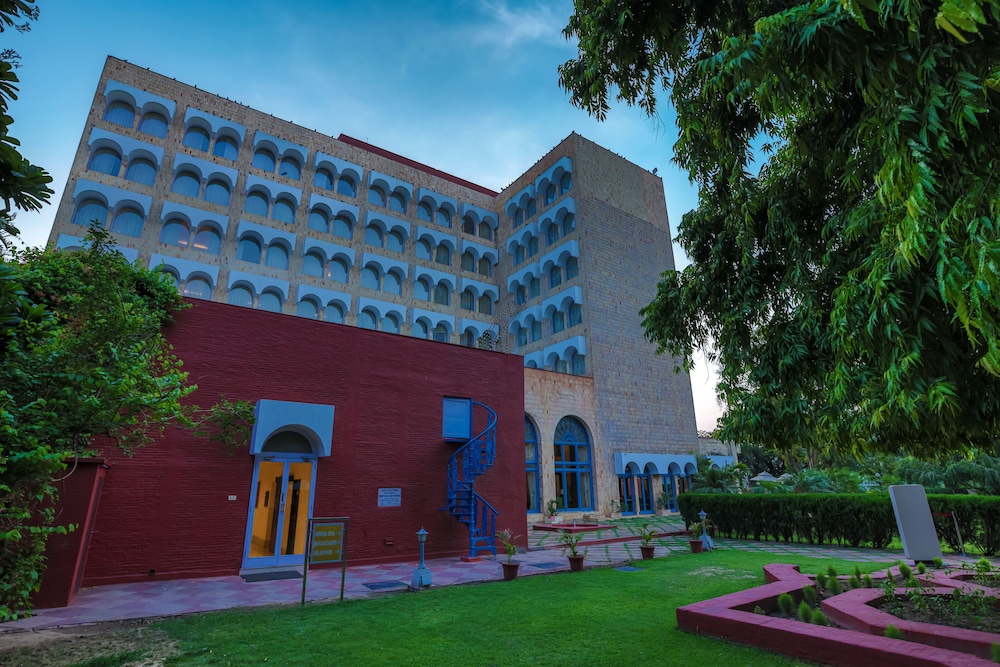
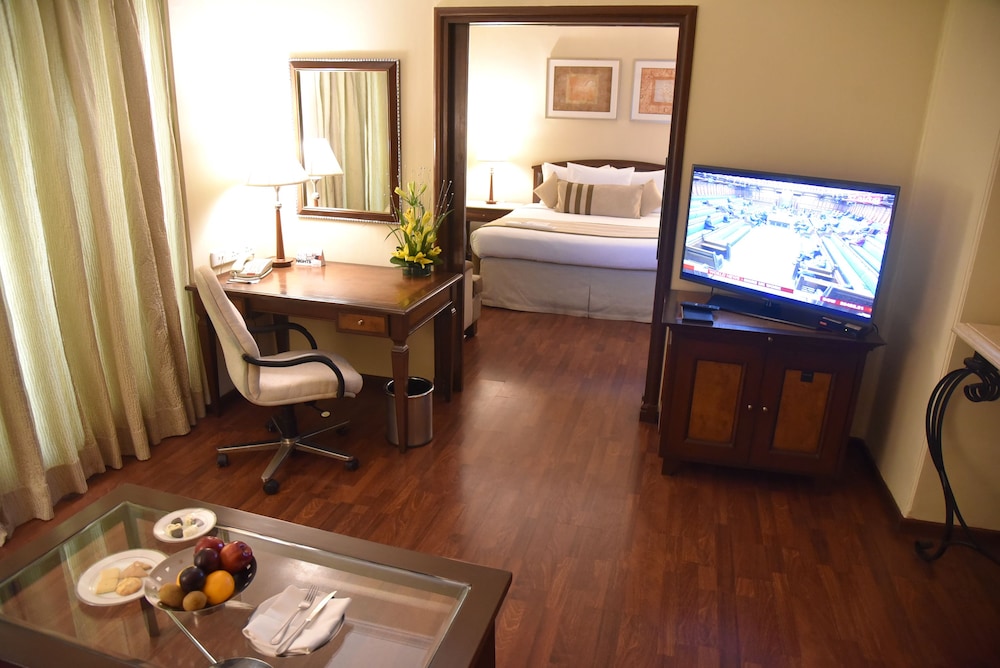
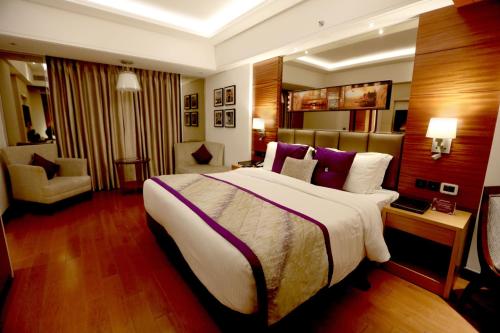
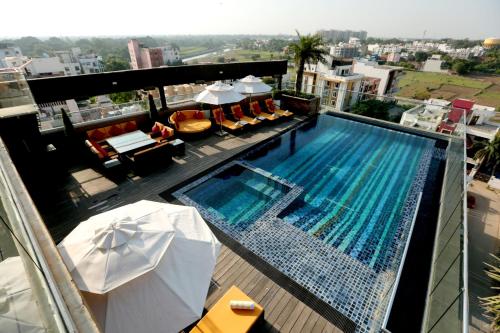
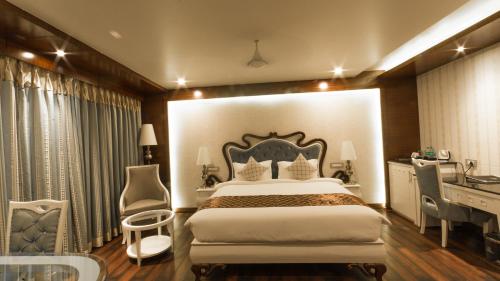
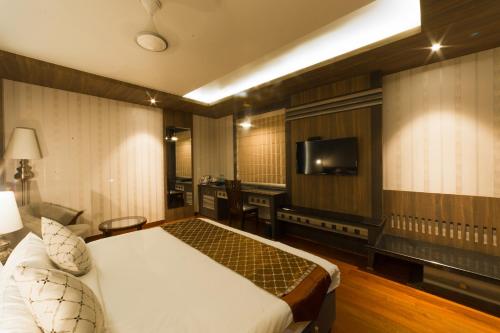
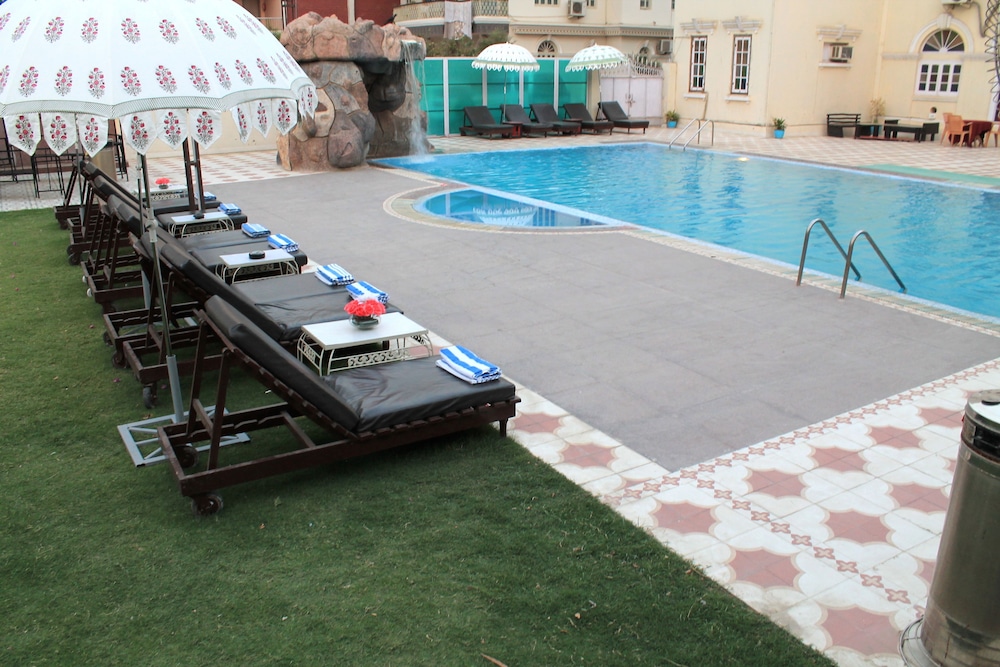
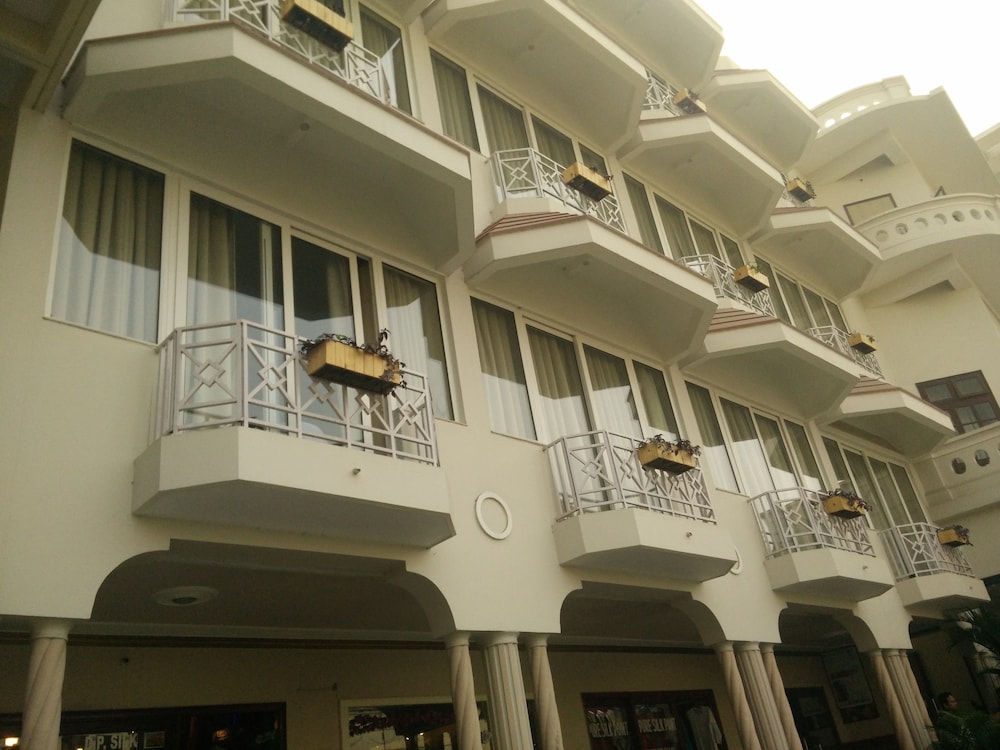
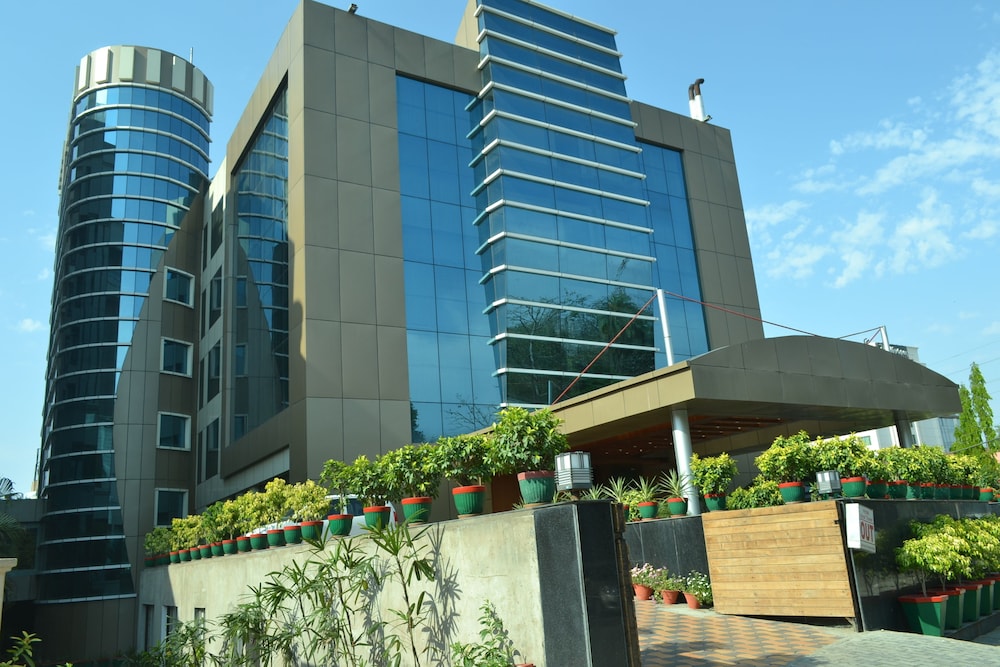
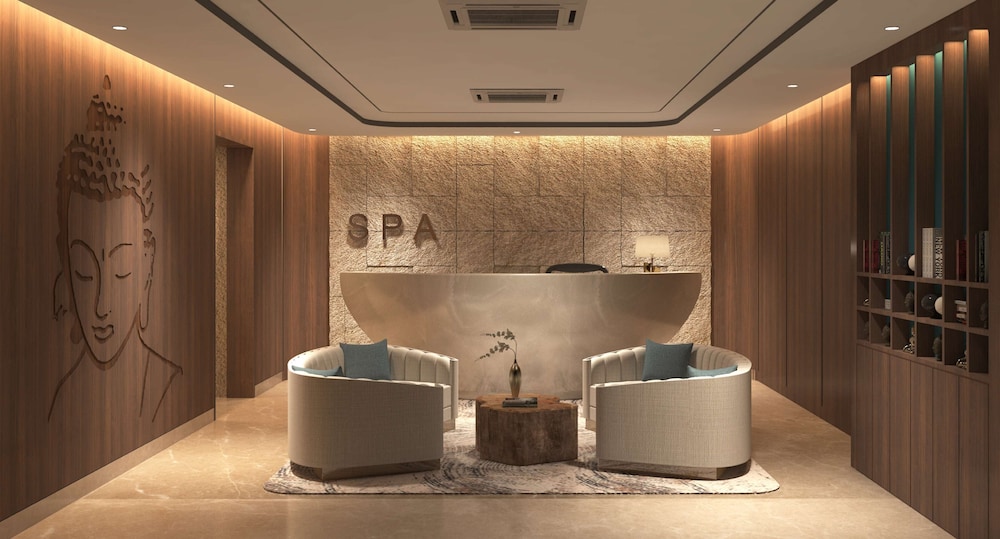
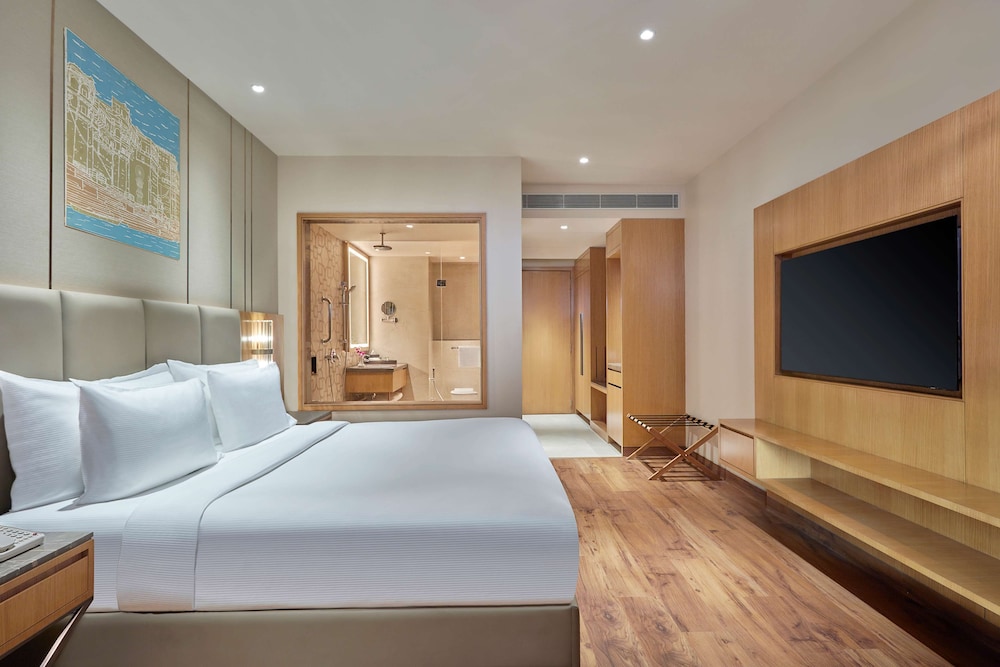
The Cantt area, around 5–6 km from the ghats, is where you'll find most large branded hotels, including well-known 5-star properties such as Taj Nadesar Palace and Taj Ganges in the Nadesar area. Rooms are larger, there's parking, many hotels have pools, and Varanasi Junction railway station is close by. Lal Bahadur Shastri Airport at Babatpur is about 22–25 km away - roughly 45 minutes to an hour by car.
You'll spend 30–45 minutes getting to the ghats at busy times, so plan to go once in the morning and once in the evening rather than popping back and forth.
Families: if anyone in your group has limited mobility, prioritise hotels with a lift and direct car access - Cantt, Mahmoorganj, or a road-facing hotel near Assi or Luxa. For a family of four, check whether the hotel offers interconnecting rooms or extra beds; many smaller riverside properties don't.
Honeymooners: book a heritage stay on the ghats for at least one night, even if you spend the rest of the trip somewhere more practical. A sunrise from your own balcony and a private boat to the evening aarti is hard to beat.
Luxury travellers: choose between a riverside palace (atmosphere, history, limited access) and a modern 5-star in Cantt (space, pool, service, easy logistics). Many luxury travellers split their stay - two nights on the river, one in Cantt before an early flight. Our [5 Star Hotels in Varanasi page - domain pending] compares them in detail.