5
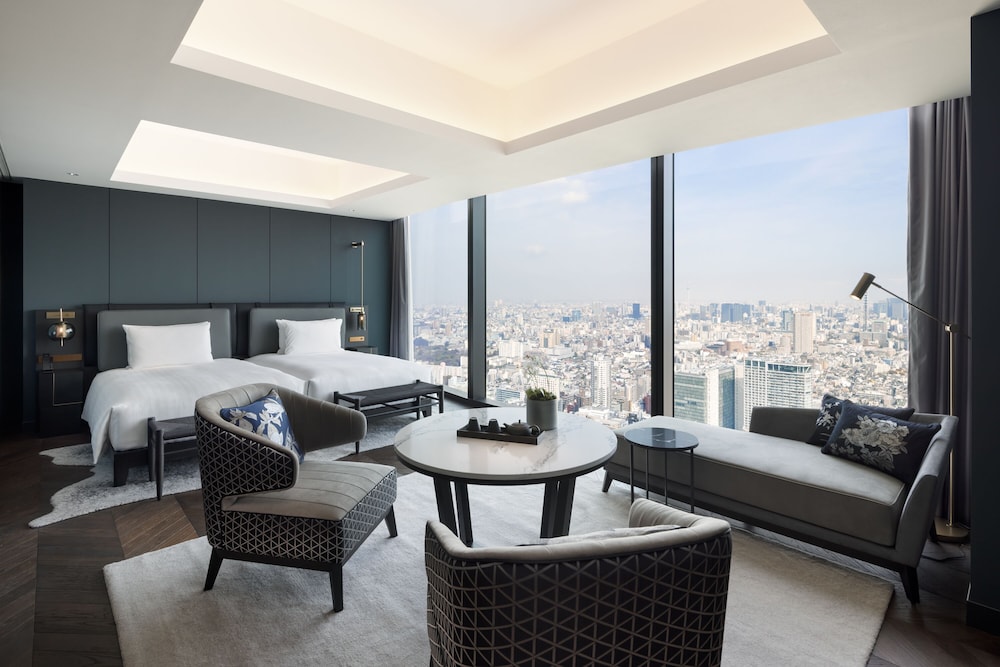
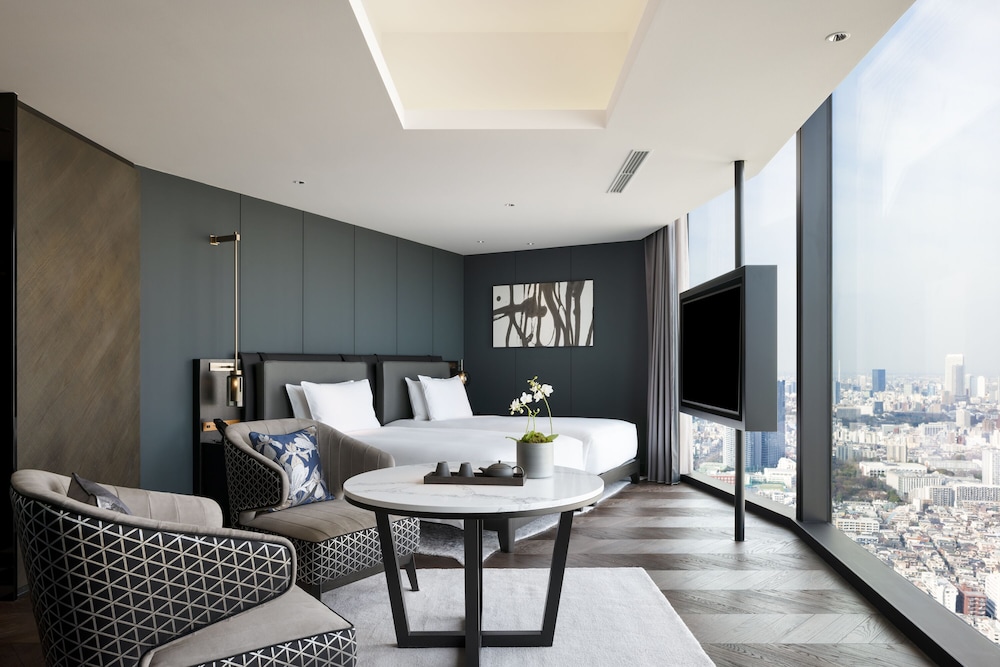
Keio Plaza Hotel Tokyo Premier Grand in Nishi-Shinjuku
4.2(16k)
2 nights · 1 room
2 nights · 1 room
2 nights · 1 room
2 nights · 1 room
2 nights · 1 room
2 nights · 1 room

2 nights · 1 room
2 nights · 1 room
2 nights · 1 room
2 nights · 1 room
2 nights · 1 room
2 nights · 1 room
2 nights · 1 room

2 nights · 1 room
2 nights · 1 room
2 nights · 1 room
2 nights · 1 room
2 nights · 1 room
2 nights · 1 room
2 nights · 1 room
2 nights · 1 room
Tokyo is enormous: a metropolis of around 14 million people in the city proper, and more than 35 million in the wider region. But you don't need to understand all of it to pick a great hotel. What matters is which neighbourhood you base yourself in, and which train lines run from your nearest station. Get that right and Tokyo feels small and effortless. Get it wrong and you'll spend an hour a day on transfers.
This guide walks through the best areas to stay in Tokyo, what each suits, and what Indian travellers in particular should know before booking, from room sizes to breakfast.
In Tokyo, distance on a map means very little. Travel time depends on train lines. A hotel 15 minutes' walk from a major station can be less convenient than one 40 km away but right on a direct line.
Three things to check for any hotel:
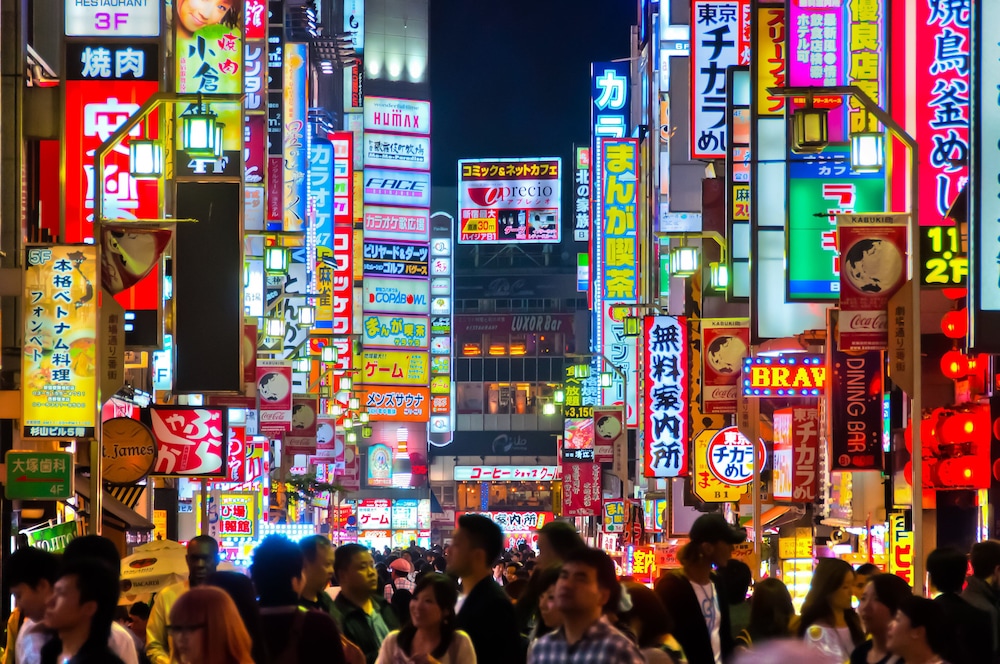
Shinjuku is the most popular base for first-timers, and for good reason. It's a huge transport hub, with trains to almost everywhere, including direct services to both airports and to Mt Fuji and Hakone. It has hotels at every price point, from compact business hotels to skyscraper luxury, and it's busy until late, with endless restaurants, shopping, observation decks and neon-lit streets.
The trade-off is scale. Shinjuku Station is one of the busiest in the world, used by millions of passengers a day, and it can be overwhelming at first. Choosing the right side of the station matters. West Shinjuku has skyscrapers and calmer business hotels. East Shinjuku is louder and livelier, with the Kabukicho nightlife district.
Shibuya is famous for its scramble crossing, and for energy: shopping, cafes, nightlife and a young crowd. It's on the Yamanote Line and several metro lines, with easy access to Harajuku, Omotesando, Ebisu and Daikanyama. A wave of new developments around the station has added modern hotels with great views.
Shibuya is compact compared with Shinjuku, so hotels near the station put you within walking distance of Harajuku's Takeshita Street and Meiji Jingu (about 20 minutes on foot) and the upscale boutiques of Omotesando. The downside is that the station area is permanently under construction and crowded, and rooms close to the crossing can be pricey on weekends.
Ginza is Tokyo's upmarket shopping district, with wide avenues, flagship stores, department-store food halls and excellent restaurants. It's calmer and more polished in the evenings than Shinjuku or Shibuya. Nearby, the Tokyo Station and Marunouchi area is the city's business heart and the Shinkansen (bullet train) hub, with some of Tokyo's grandest hotels and walks to the Imperial Palace gardens.
Asakusa is home to Senso-ji, Tokyo's oldest temple, and it has the feel of an older city: small streets, traditional shops, rickshaws and views of Tokyo Skytree across the river. Nearby Ueno has a large park with museums and a zoo, and direct trains to Narita Airport.
Hotels here are often better value than in Shinjuku or Ginza, and you'll find more traditional Japanese-style inns. The trade-off is that it's further from Shibuya and Shinjuku (30 to 40 minutes), and quieter at night.
Look for "family rooms", twin rooms with an extra bed, or apartment-style hotels with more space. Shinjuku, Ikebukuro and Ueno have good options, as do hotels near Tokyo Disney Resort.
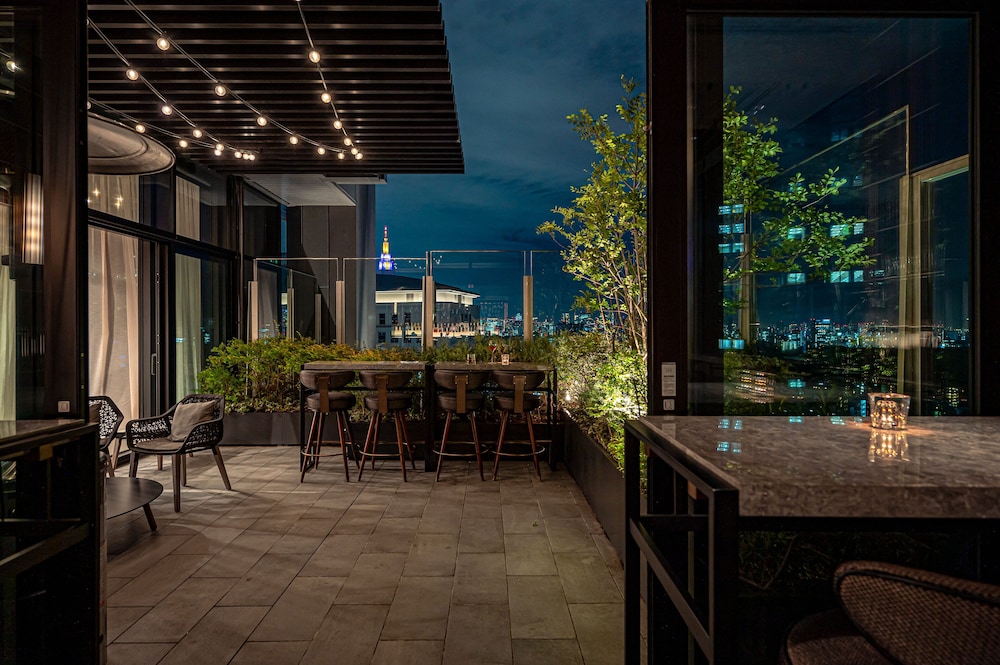
Shibuya and Shinjuku high-rise hotels offer night views. Ginza and Marunouchi have elegant, quieter stays. Pick a double or king room, not a semi-double.
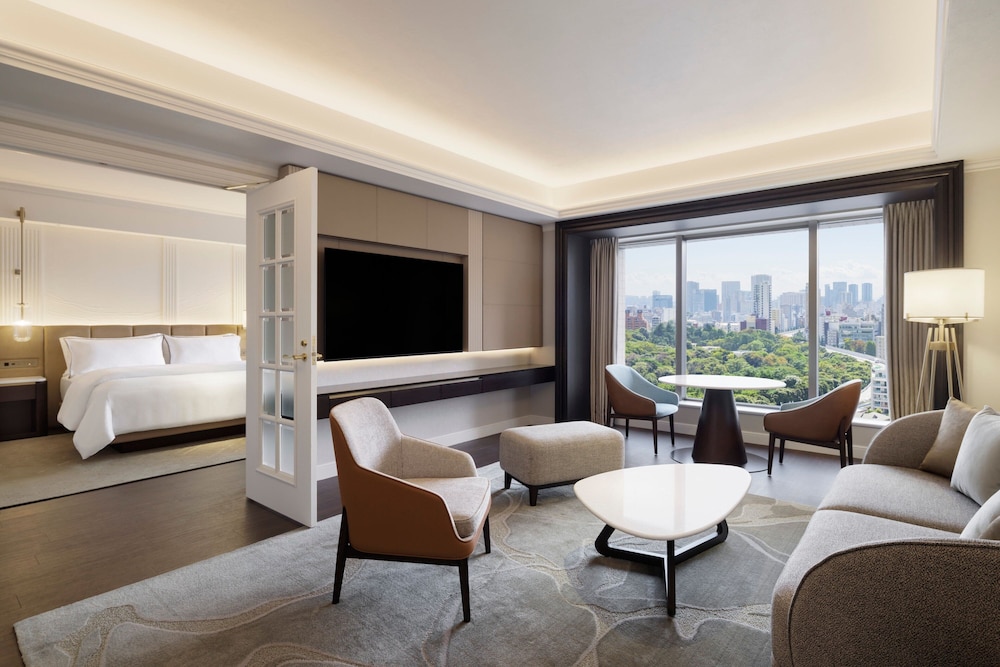
Marunouchi, Otemachi, Ginza and Roppongi have Tokyo's top hotels, often on the upper floors of towers, with city or Imperial Palace views, spas and outstanding service.