5
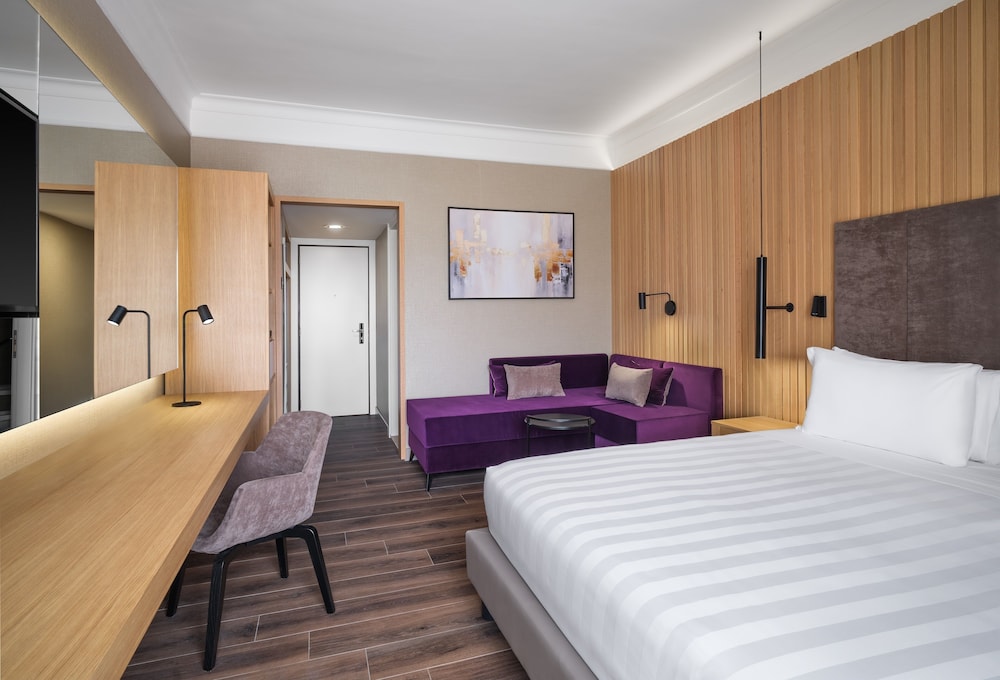
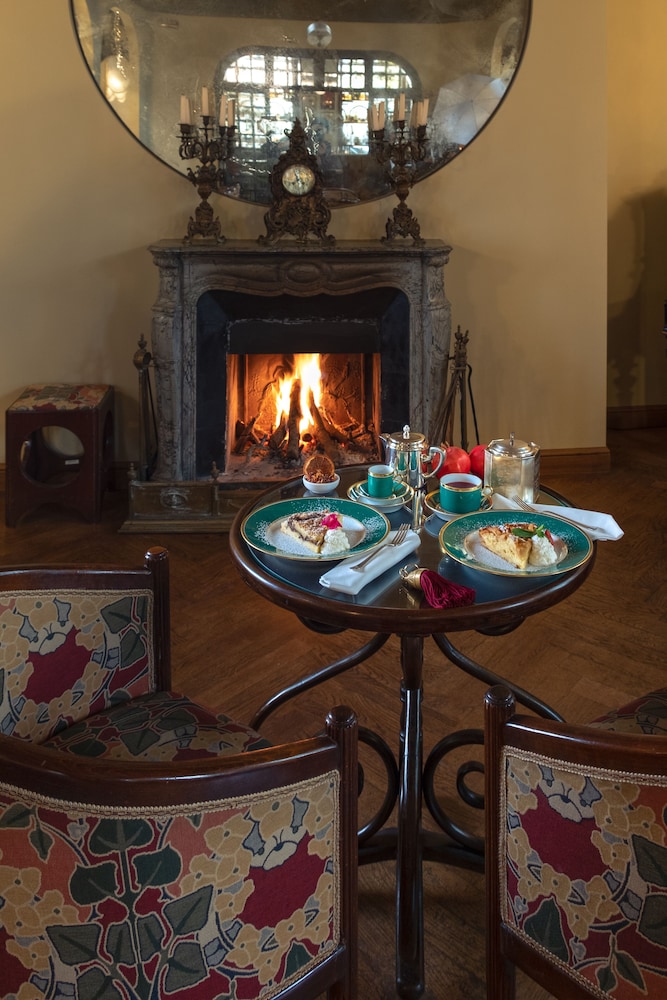
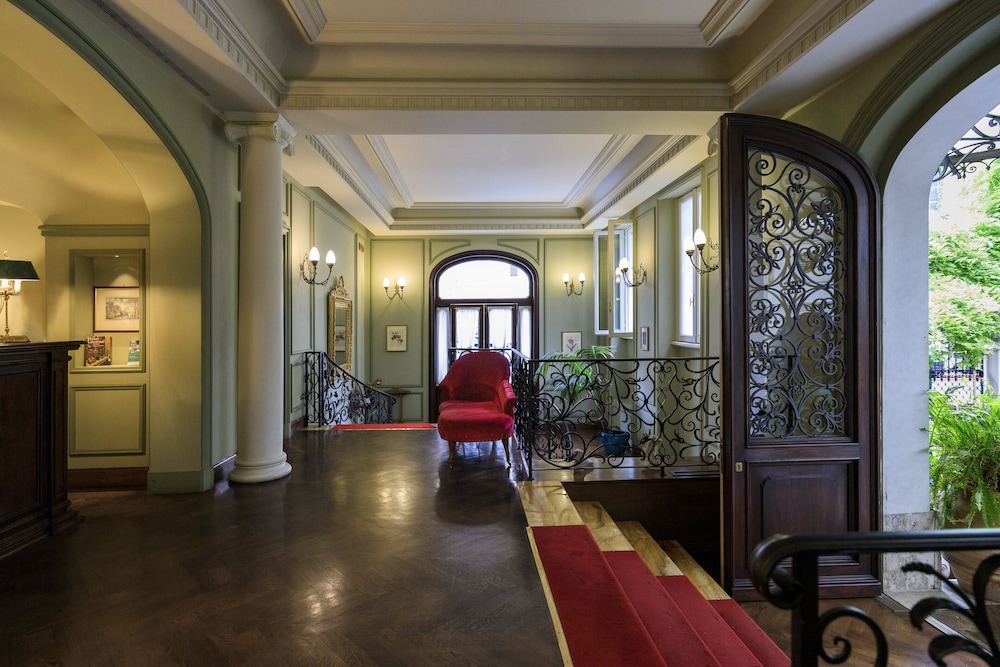
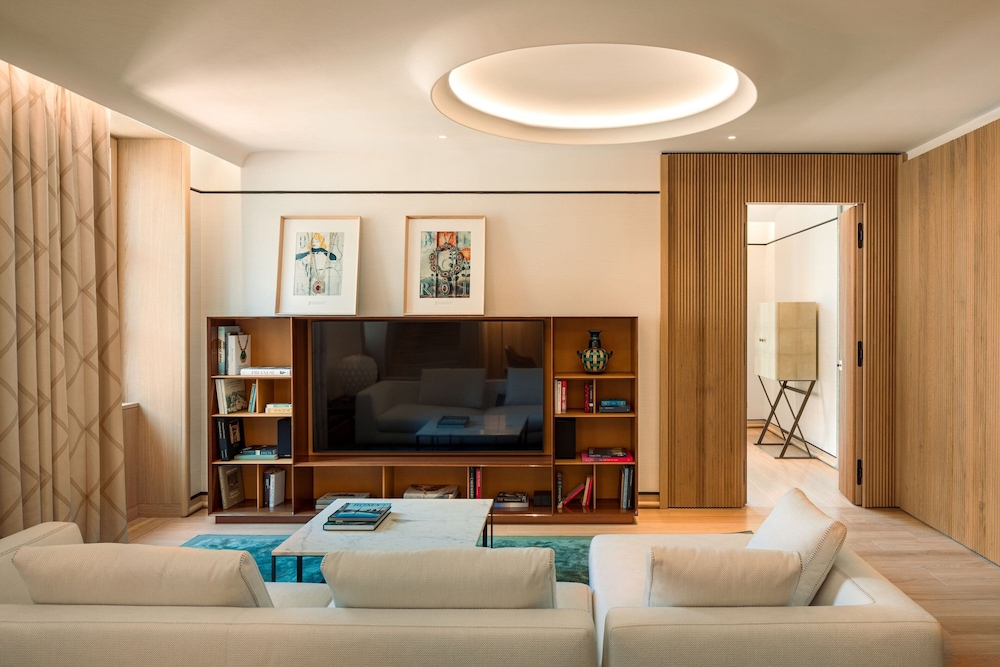
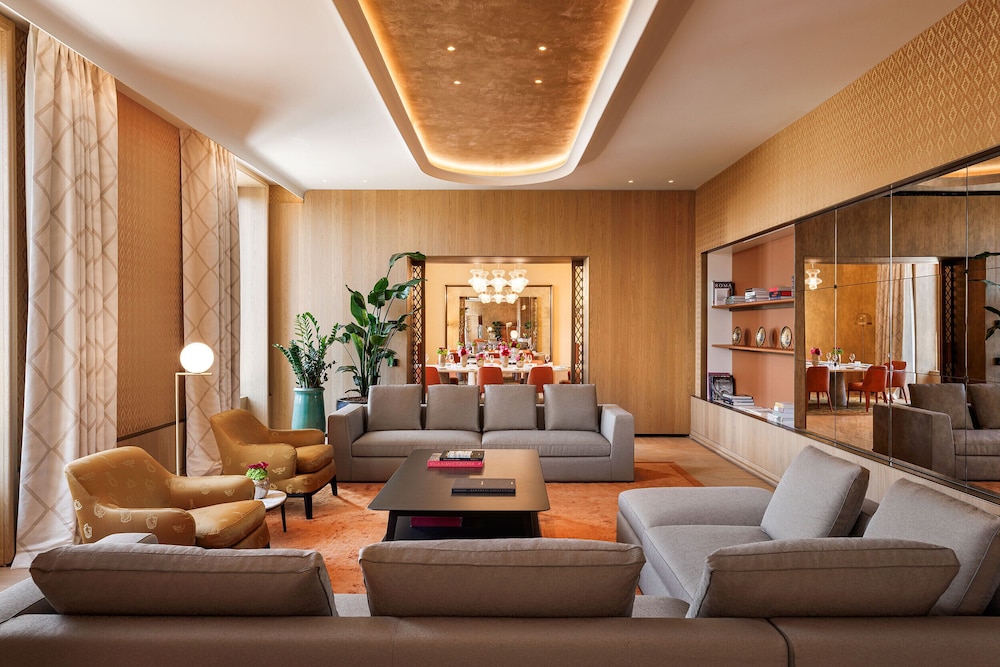
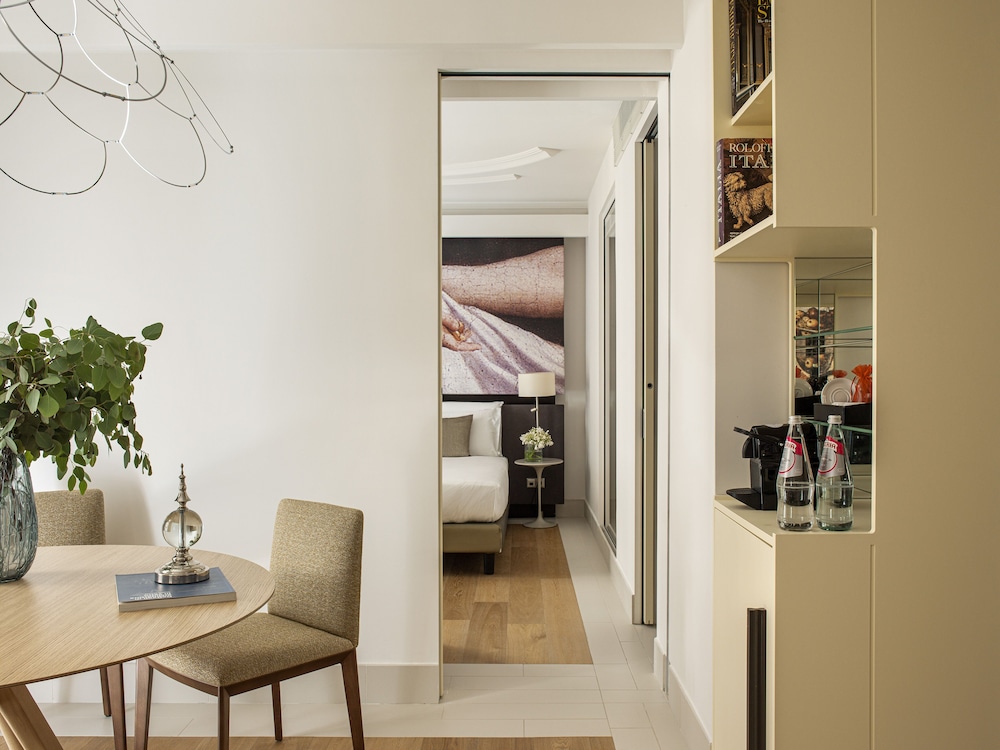
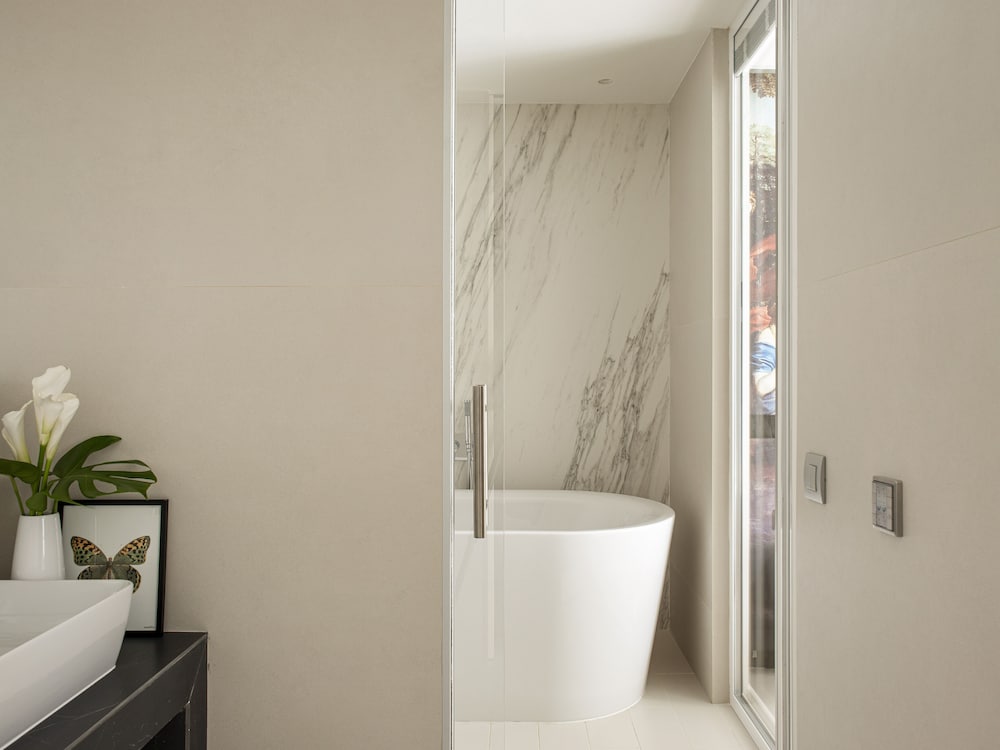
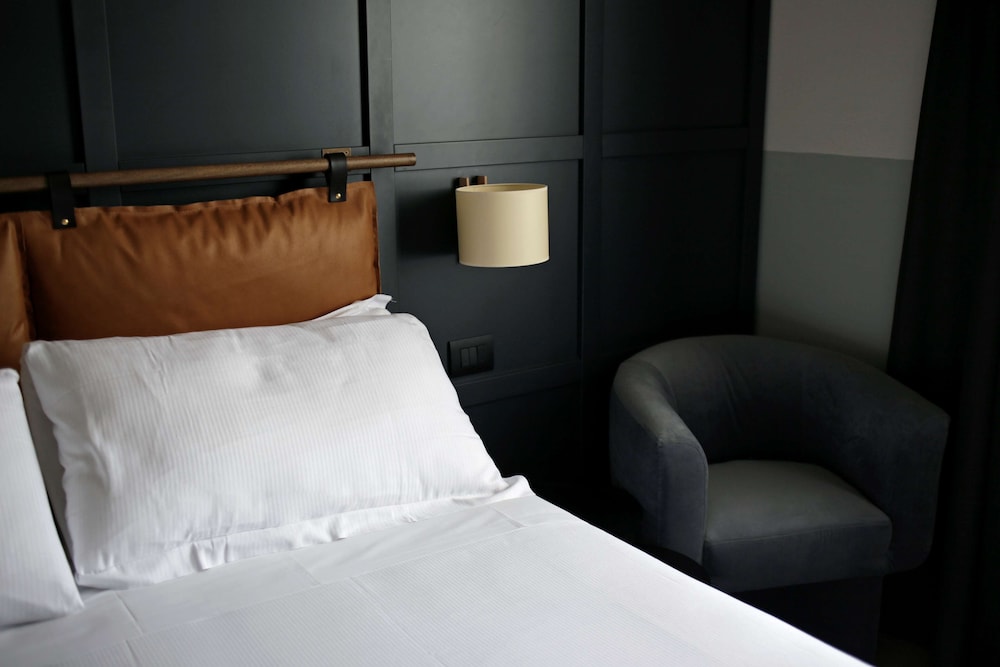
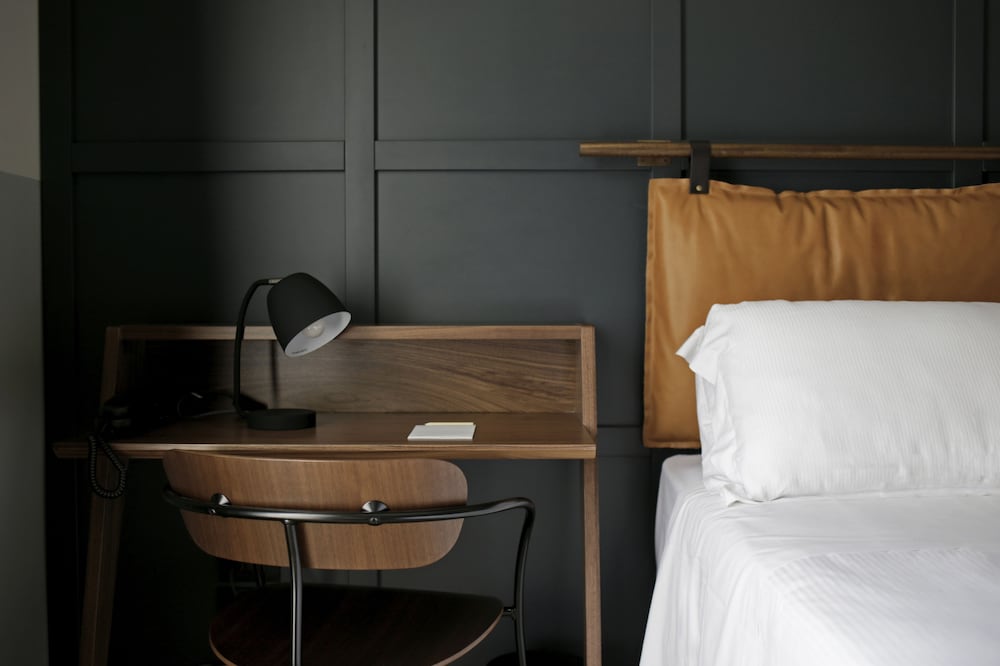
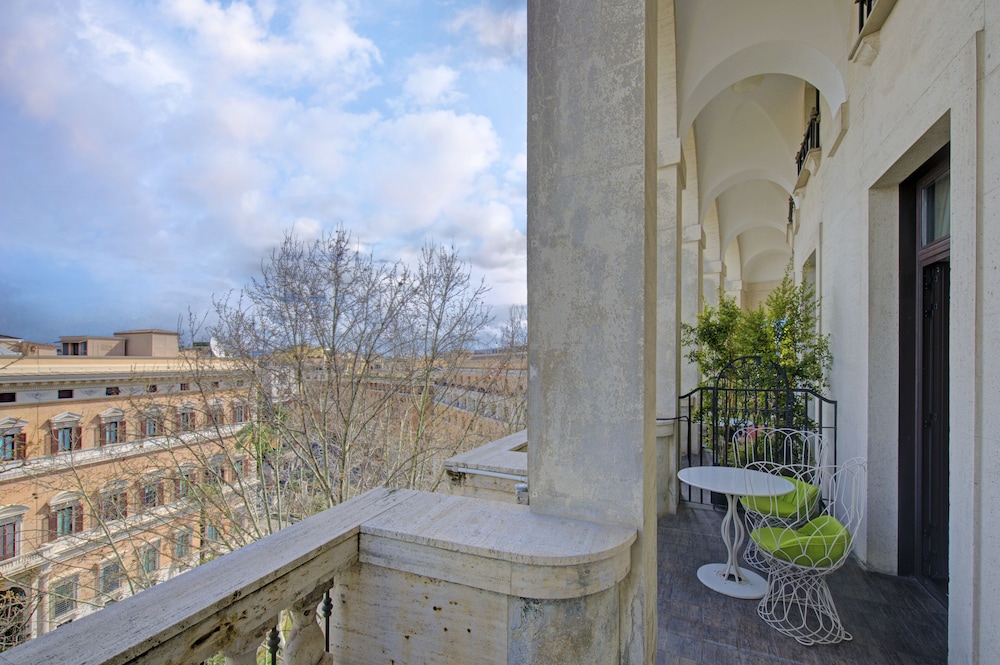
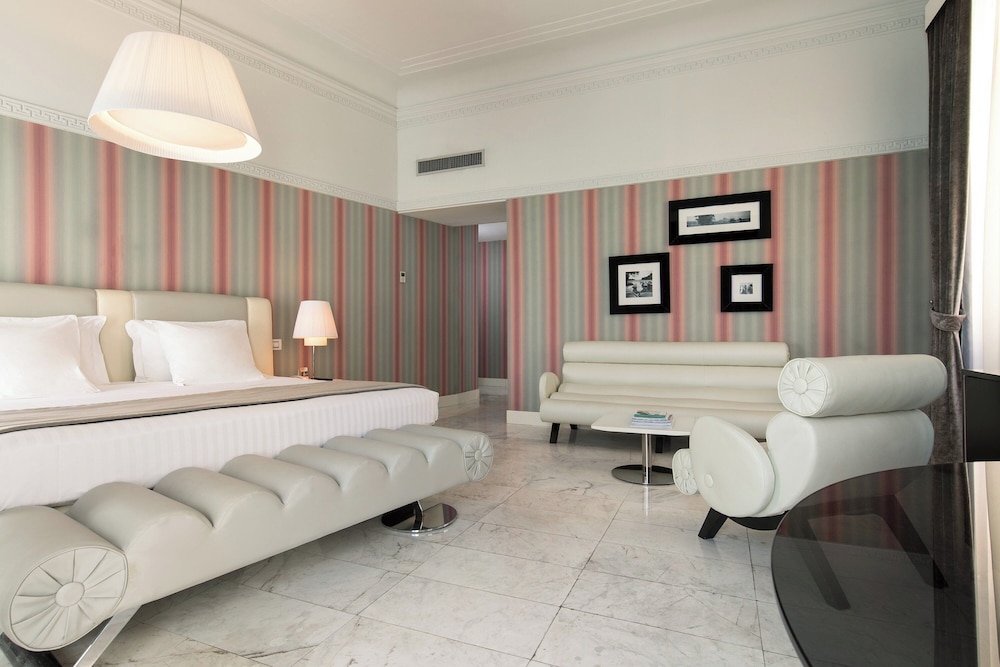
LATERANO 250 DELUXE - COLOSSEO in Celio
4.8(32k)
2 nights · 1 room
2 nights · 1 room
2 nights · 1 room
2 nights · 1 room
2 nights · 1 room

2 nights · 1 room


2 nights · 1 room
2 nights · 1 room
2 nights · 1 room

2 nights · 1 room

2 nights · 1 room

2 nights · 1 room
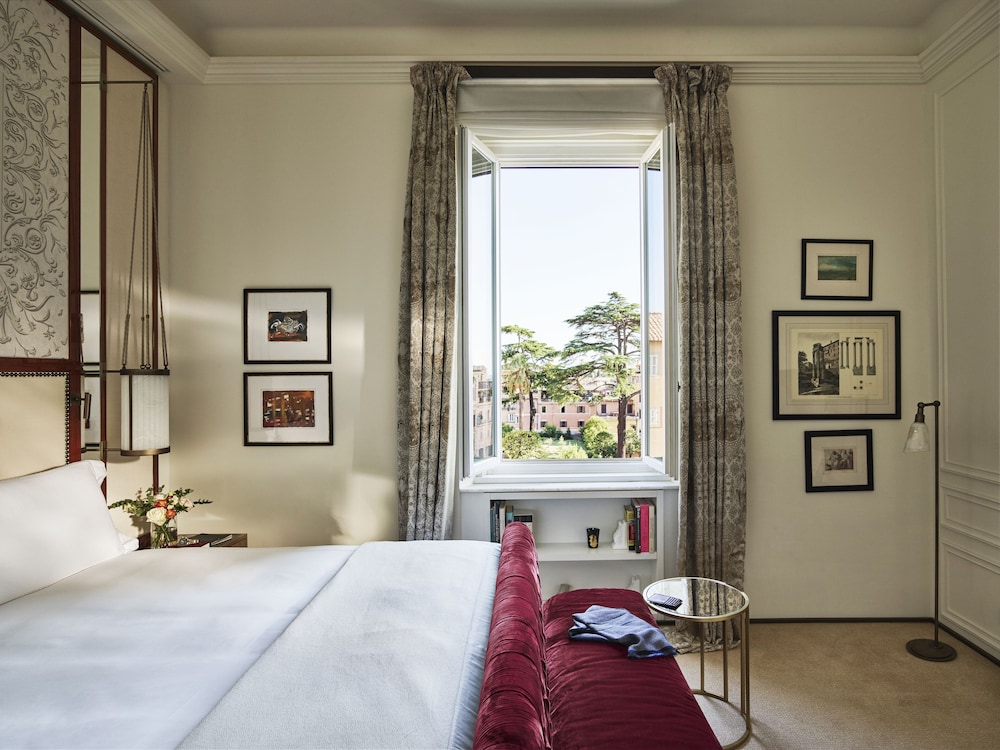
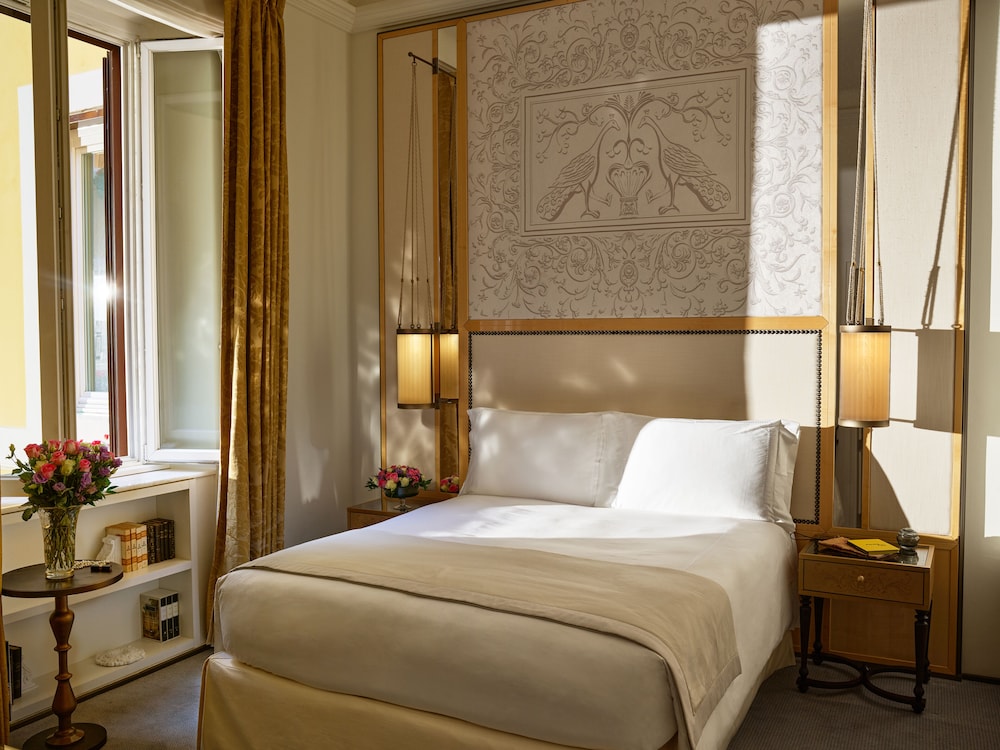
2 nights · 1 room
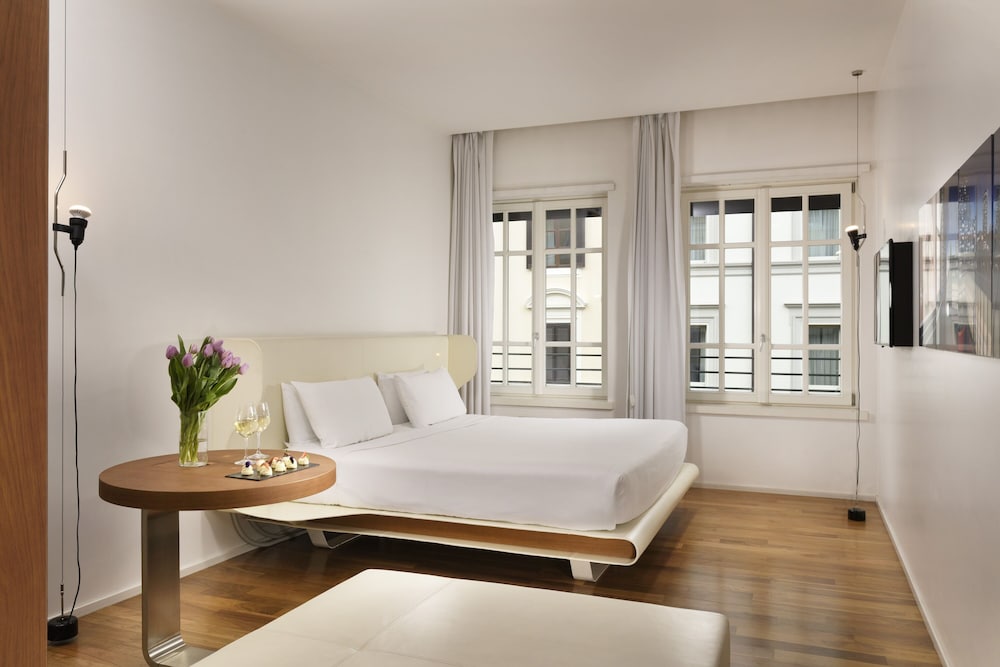
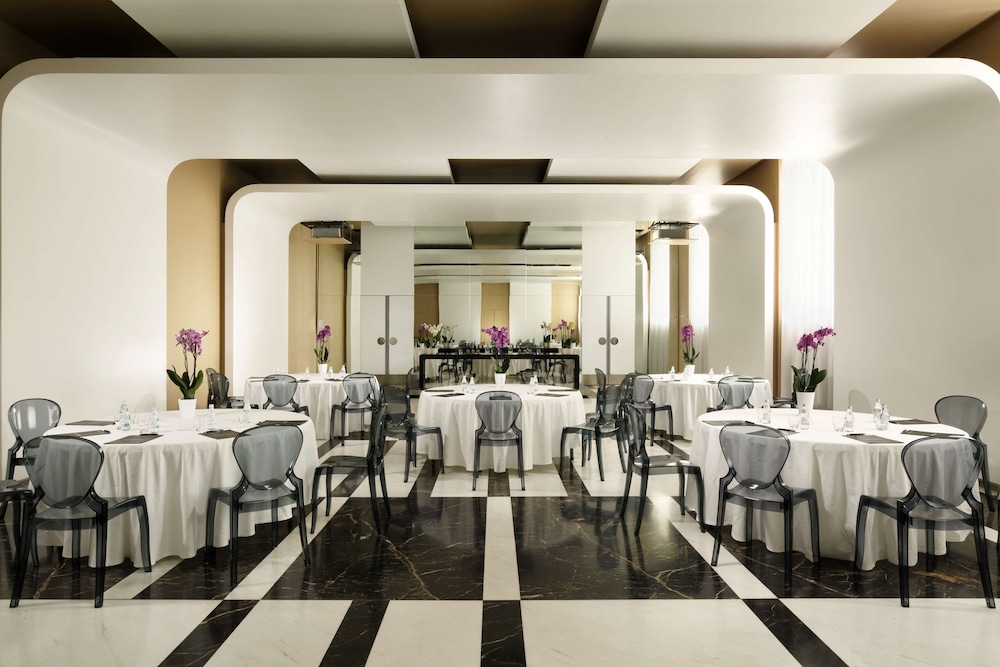
2 nights · 1 room

2 nights · 1 room
2 nights · 1 room
2 nights · 1 room
2 nights · 1 room
2 nights · 1 room
2 nights · 1 room
2 nights · 1 room
Choosing between Rome hotels is less about star ratings and more about the street outside your door. Rome is a walking city with a compact historic core, and the neighbourhood you pick decides how many minutes you spend getting to the Colosseum, how loud your nights are and how much you pay for a room that is often smaller than you expect. This guide walks through the areas that work best, what you actually get when you spend more, and how to book so the price you pay today stays the best price you could have paid.
If this is your first trip, the goal is simple: be able to walk to most of what you came to see, and be near a metro line for the rest. Five areas cover almost every traveller.
Centro Storico and the Pantheon area
This is the postcard Rome of piazzas, fountains and cobbled lanes, with the Pantheon, Piazza Navona and the Trevi Fountain within a 10–15 minute walk of each other. It's the best area to stay in Rome for first-timers who want to step out of the lobby and be in the middle of things. The trade-off is price and noise: rooms here carry a premium, many buildings are centuries old, and lanes stay lively until late. Ask for a courtyard-facing room if you sleep lightly.
Monti and the Colosseum side
Monti sits between the Colosseum and Termini, with ivy-covered streets, small wine bars and vintage shops. It feels local despite being a five-minute walk from the Roman Forum, and the Cavour metro stop (Line B) connects you quickly to Termini. It suits couples and travellers who want character without paying Centro Storico prices.
Prati near the Vatican
Prati is calm, residential and well organised, with wide boulevards, good restaurants and easy access to St Peter's and the Vatican Museums. Ottaviano and Lepanto stations on Line A take you to the Spanish Steps in minutes. Families and older travellers often like it best because evenings are quieter and pavements are flatter than in the old centre.
Trastevere
Across the Tiber, Trastevere is all trattorias, fairy lights and medieval lanes. It's wonderful in the evenings and very romantic, which is why honeymooners love it. It has no metro station, though, so expect to walk 20–25 minutes or take a tram or bus to the main sights.
Around Termini station
The streets around Termini offer the widest range of mid-range and budget rooms and the easiest airport connection (the Leonardo Express train to Fiumicino leaves from here). It's practical rather than charming, and a few blocks are scruffy at night, so read recent guest reviews about the specific street before you book.
Rome luxury hotels cluster around Via Veneto, the Spanish Steps and Piazza del Popolo, with a handful of palazzo conversions in Centro Storico. What the extra spend buys is mostly space, quiet and views, which matter more in Rome than in many cities because standard rooms are compact.
At the top end you can expect:
For luxury travellers, the sweet spot is often a five-star near the Spanish Steps, which puts you within walking distance of both the Trevi Fountain and the high-end shopping streets of Via Condotti.
Boutique hotels in Rome are where the city's personality shows. Many occupy a few floors of a historic building, with 10–30 rooms, frescoed ceilings, small breakfast rooms and staff who remember your name by the second morning.
For honeymooners, look for:
One practical note: many boutique properties sit on upper floors of buildings with small lifts or none at all. If you're travelling with large suitcases, confirm the lift situation before booking.
Families face Rome's biggest hotel challenge: standard double rooms are often 15–18 square metres, and triple or quad rooms are limited. A few things help:
A few Rome-specific details catch first-time visitors out:
Rome hotel prices move a lot, especially in the weeks before shoulder-season dates. When you book on Onto, the price you see on the listing is the price you pay at checkout, with no coupon codes or card-specific offers needed to unlock it.
After you book, Onto keeps checking the price of your stay two to three times a day. If it drops before your booking enters its non-cancellable window, Onto automatically rebooks you at the lower price and refunds the difference, with no action needed from you. And if a hotel ever cancels on a confirmed guest, Onto covers up to five times the booking value and immediately finds you a better stay. That's what Trust and Care for the traveller means to us: Travel. Made Better.
You can browse Rome hotels on Onto here: https://onto.travel/hotels/rome
Which area is best for a first visit to Rome? Centro Storico or Monti if you want to walk everywhere; Prati if you want quieter evenings near the Vatican.
How far in advance should I book Rome hotels? For April–June and September–October, two to three months ahead gives you the best choice. In winter, a few weeks is usually enough, and booking on Onto means you're covered if the price drops later.
Is it safe to stay near Termini? Generally yes, with normal city awareness. Choose a well-reviewed property on a busy street and avoid poorly lit side streets late at night.
Do Rome hotels include breakfast? Many mid-range and boutique hotels do; many luxury hotels charge extra. Check the rate details before you book.