
4
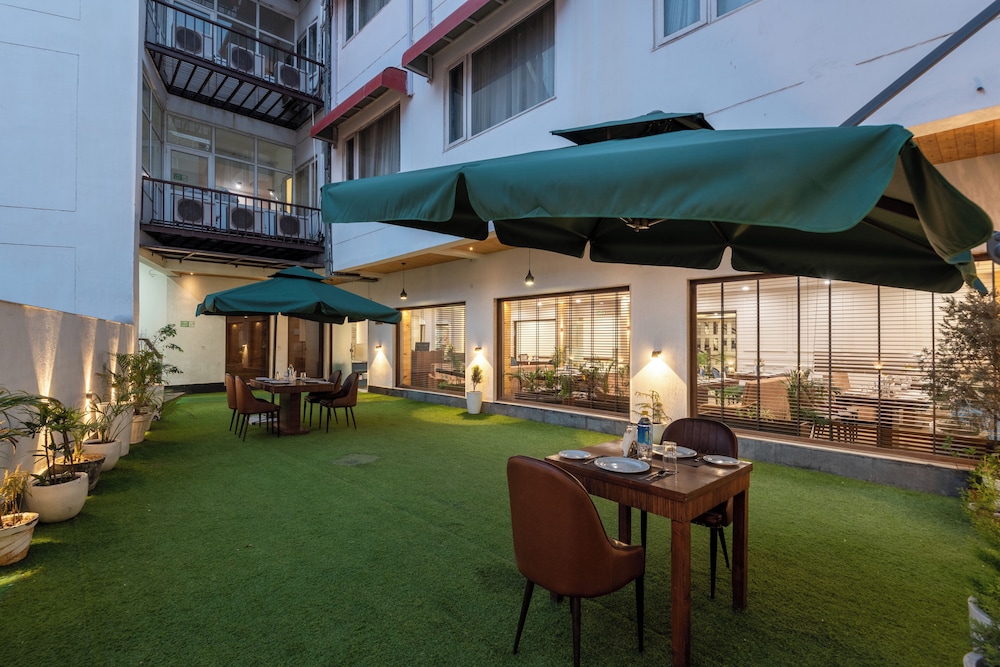
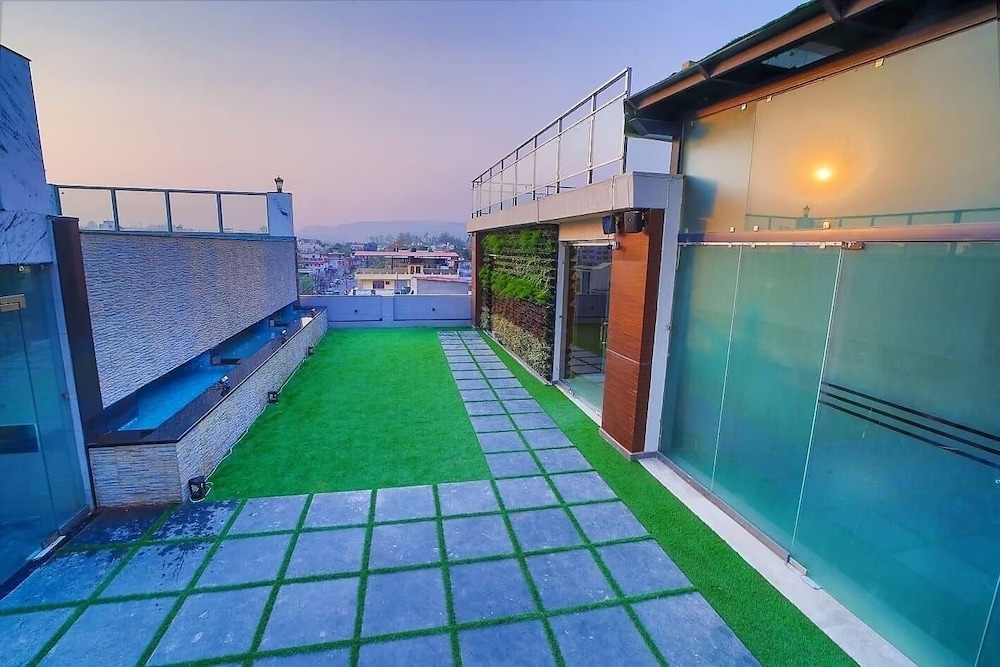
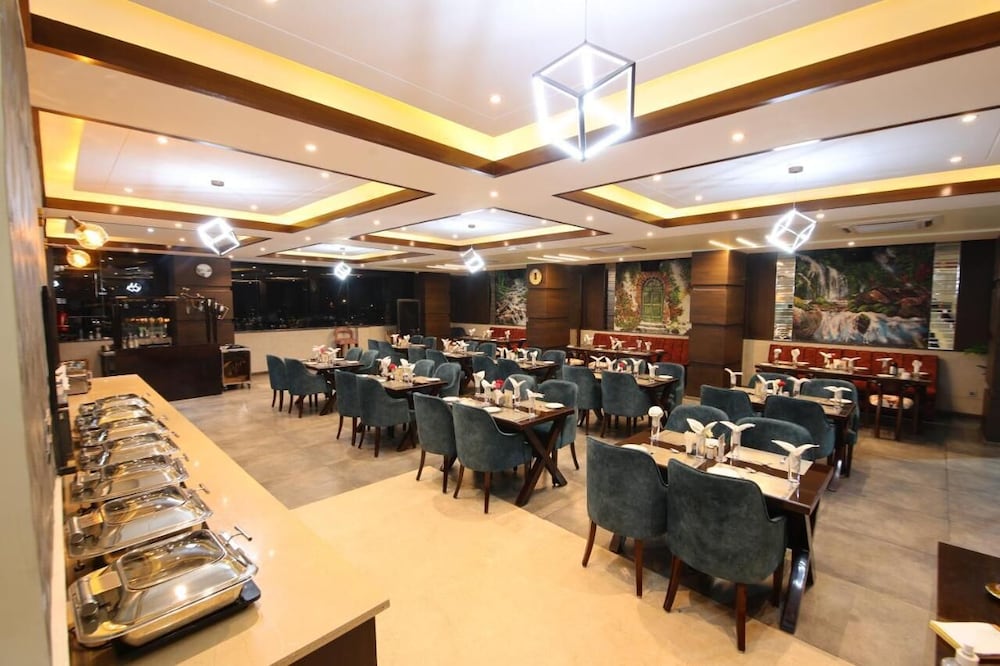
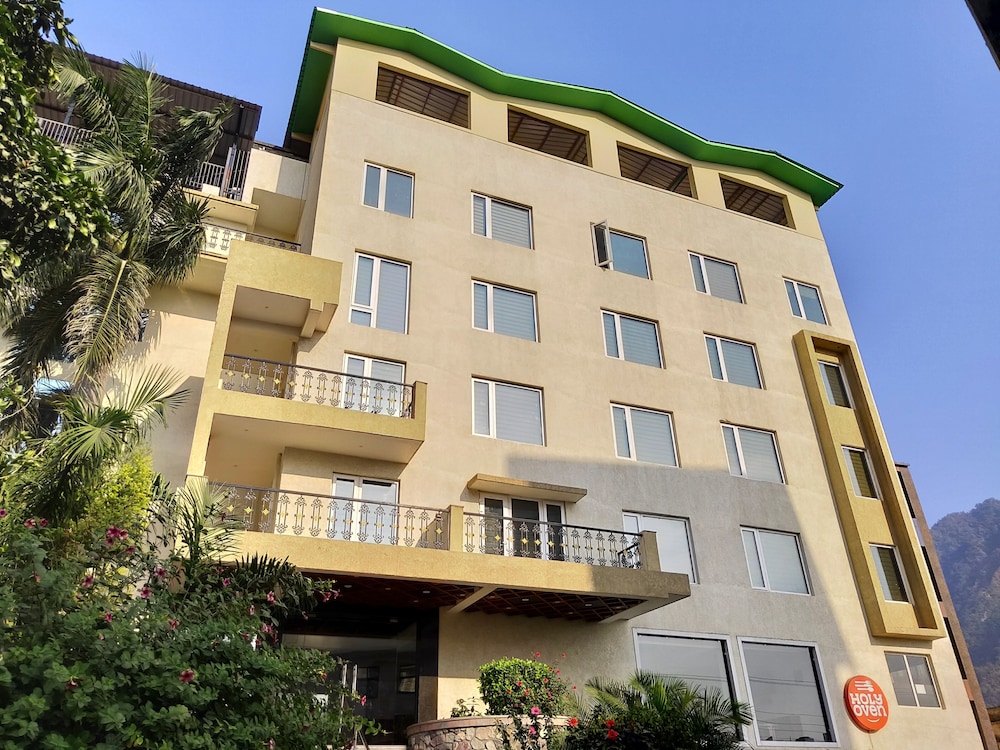
The Classio By DLS Hotels in Tapovan
4.7(5.3k)
2 nights · 1 room
2 nights · 1 room
2 nights · 1 room
2 nights · 1 room
2 nights · 1 room


2 nights · 1 room

2 nights · 1 room
2 nights · 1 room
2 nights · 1 room
2 nights · 1 room
2 nights · 1 room
2 nights · 1 room
2 nights · 1 room
2 nights · 1 room
2 nights · 1 room

2 nights · 1 room
2 nights · 1 room
2 nights · 1 room
2 nights · 1 room
2 nights · 1 room

2 nights · 1 room
Unlike a city where hotels differ mainly by star rating, Rishikesh's stay options split by what kind of trip you're having - a riverside adventure camp, a yoga-retreat ashram, or a conventional hotel each deliver a genuinely different experience, and picking the wrong category for your trip type matters more here than the price tier itself.
Clustered around Shivpuri and further upstream toward the rafting put-in points, these properties range from simple tented camps to full-service riverside resorts, most built specifically around access to the Ganges for rafting, evening bonfires, and river-facing rooms or tents.
Concentrated in the ashram district near Laxman Jhula and Ram Jhula, these properties range from simple ashram dormitories to boutique wellness resorts offering structured yoga and meditation programs alongside the room itself.
More conventional hotels near the town center and railway station suit families wanting easier access to restaurants, markets, and transport without the more remote feel of an upstream riverside camp.
Staying near Laxman Jhula puts the ashram district, cafes, and the evening aarti within walking distance; staying upstream near the rafting put-in points puts adventure activities closer at the cost of a longer trip into town for sightseeing.
For a closer look at the top luxury picks specifically, see our guide to the best luxury resorts near the Ganges.
Ashram and wellness-retreat stays almost always include meals as standard, usually simple vegetarian food tied to the property's spiritual character; riverside resorts and conventional hotels more often offer a separate breakfast-included rate with restaurant dining beyond that.
Smaller ashrams frequently aren't listed on major booking platforms at all - a direct phone or email inquiry is often the only way to book a specific program-based stay rather than just a room.
"River view" gets used loosely across riverside camp listings - worth confirming whether a tent or room genuinely faces the water versus a general camp-area location, since the two are often priced the same but deliver different experiences.
Ashram stays tend to prioritize program structure over hospitality-style service; riverside resorts and hotels deliver more conventional attentive service - a real difference in what you're paying for beyond just amenities.
The Laxman Jhula/Ram Jhula ashram district suits a yoga-focused stay with walking access to the ghats. Shivpuri and further upstream suit an adventure-focused stay near the rafting put-in points. The town center near the railway station suits conventional, more logistically simple family stays.
First-time visitors often default to a well-reviewed ashram district stay; people returning to Rishikesh tend to shift toward a riverside camp upstream, having already experienced the yoga-district side and preferring the adventure-focused version on a return trip.
Larger riverside resorts generally include a pool and spa; ashram stays and smaller guesthouses more often skip these in favor of a simple, program-focused offering.
Ashram program-based bookings sometimes carry stricter cancellation terms than a standard hotel, tied to fixed program start dates - worth reading the specific policy before booking a structured retreat.
Riverside resorts and hotels generally offer reliable wifi; many ashrams deliberately limit or don't offer it at all, treating reduced connectivity as part of the retreat experience rather than an oversight.
Given Rishikesh's foothill climate, air conditioning is common in conventional hotels but less standard in ashrams and simpler riverside camps; heating for the genuinely cold winter nights is worth confirming directly rather than assumed.
Ashram breakfasts are almost always simple vegetarian fare - fruit, porridge, traditional Indian breakfast dishes - while riverside resorts and hotels more often offer a broader continental-plus-Indian buffet.
"River view" and "ashram-style" get used loosely across listings - worth checking recent guest photos and asking directly about program structure or room outlook before booking based on category name alone.
Rishikesh's stay options split more by purpose (adventure vs. wellness vs. conventional) than by star rating alone, a genuinely different axis of choice from Rajasthan's mix of palace hotels and havelis distinguished mainly by heritage and luxury tier.
Structured ashram programs often set a minimum stay of several nights or a full week to match a fixed curriculum - worth checking before assuming a flexible one- or two-night booking is always possible at a program-based property.
Start with the overview page for context on the town's staying areas generally, then use this page specifically once you've decided which of the three accommodation identities - adventure, wellness, or conventional - fits your trip.
"Where should I actually stay in Rishikesh" is one of the most-asked, least-clearly-answered questions in casual trip-planning conversations, given how differently the town's stay options split compared to a typical city - this piece exists to give a straight answer.