5
Four Seasons Hotel George V Paris
4.8(7.4k)
2 nights · 1 room
2 nights · 1 room
2 nights · 1 room
2 nights · 1 room
2 nights · 1 room

2 nights · 1 room
2 nights · 1 room
2 nights · 1 room
2 nights · 1 room
2 nights · 1 room
2 nights · 1 room
2 nights · 1 room
2 nights · 1 room
2 nights · 1 room
2 nights · 1 room
2 nights · 1 room
2 nights · 1 room
2 nights · 1 room
2 nights · 1 room
2 nights · 1 room
2 nights · 1 room
Paris is divided into twenty arrondissements, spiralling outwards from the centre like a snail shell, and choosing the right one matters more than choosing the right star rating. A hotel in the wrong area can mean long metro rides after tired days, noisy nights or a room that costs a fortune for a view of a courtyard. This guide walks through the areas most useful to first-time visitors, what each is like, and what to expect at every budget, with particular attention to the needs of travellers from India: vegetarian food access, family rooms, lifts and easy metro connections.
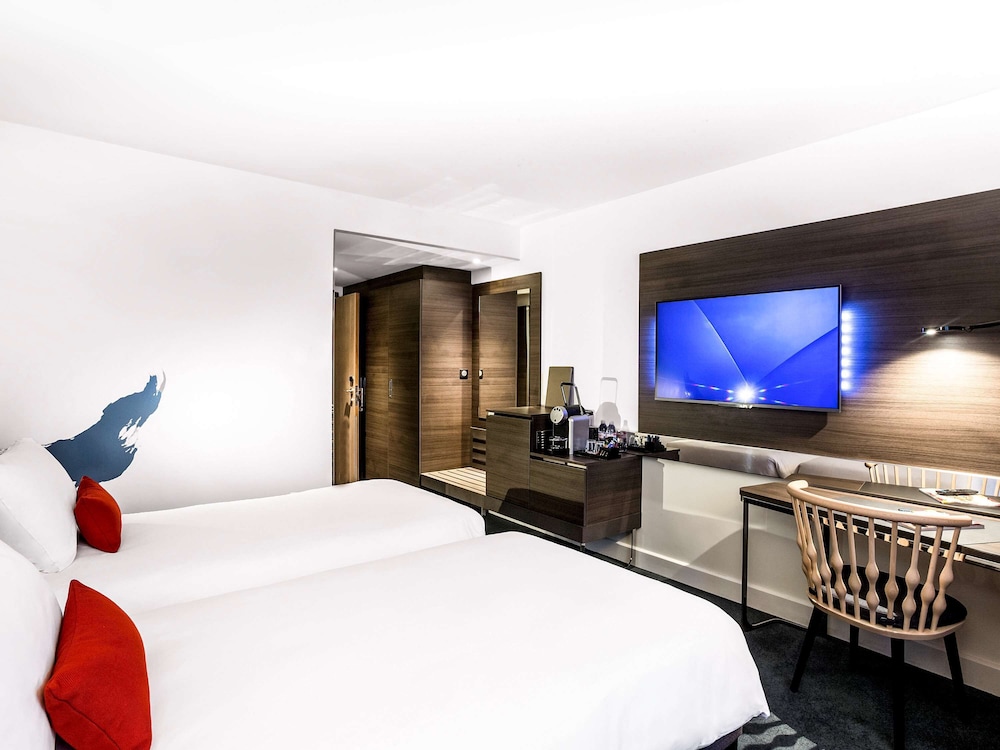
Paris is compact, walkable and superbly connected by metro, RER trains, buses and trams. Most major sights, including the Eiffel Tower, the Louvre, Notre-Dame, Sainte-Chapelle, the Musée d'Orsay and Montmartre, sit within a few kilometres of each other. That means your hotel's proximity to a metro station matters more than its proximity to a specific landmark. It also means that hotel rooms in the centre are small by many standards, so do not be surprised by compact bathrooms, narrow lifts and rooms with limited luggage space.
1st to 4th (Louvre, Les Halles, Le Marais, Île de la Cité): The historic heart. Close to the Louvre, Notre-Dame, the Seine and lively streets. Convenient and atmospheric, but expensive and busy. The Marais is a good choice for character and restaurants.
5th and 6th (Latin Quarter, Saint-Germain): Student cafés, bookshops, the Luxembourg Gardens and the Panthéon. Charming and central, with a wide range of hotels at moderate to high prices.
7th (Eiffel Tower, Invalides): Elegant, quiet and residential, with the Eiffel Tower and Musée d'Orsay nearby. Excellent for couples and families who want calm evenings, though dining options are fewer and prices are high.
8th (Champs-Élysées): Grand avenues, luxury shops and upscale hotels. Good for luxury travellers, less so for those on a budget.
9th and 10th (Opéra, Gare du Nord, Gare de l'Est): Convenient transport links and generally better value. Some areas near the stations can be busy at night, so read reviews for the specific street.
11th and 12th (Bastille, Nation): Local, lively and often good value, with a strong restaurant and bar scene.
15th and 16th: Residential, quieter, with good value in the 15th and elegant hotels in the 16th, both within reach of the Eiffel Tower.
18th (Montmartre): Hilltop village charm, artists' squares and the Sacré-Cœur. Beautiful but hilly, and the areas near Pigalle and Barbès can be lively at night.
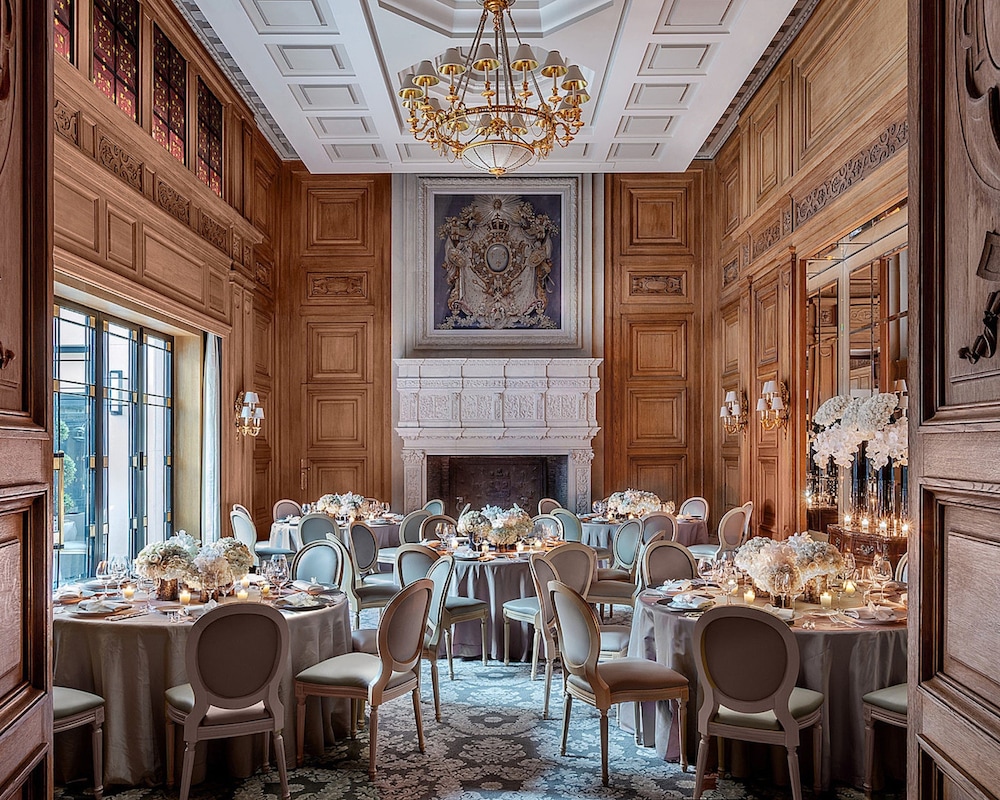
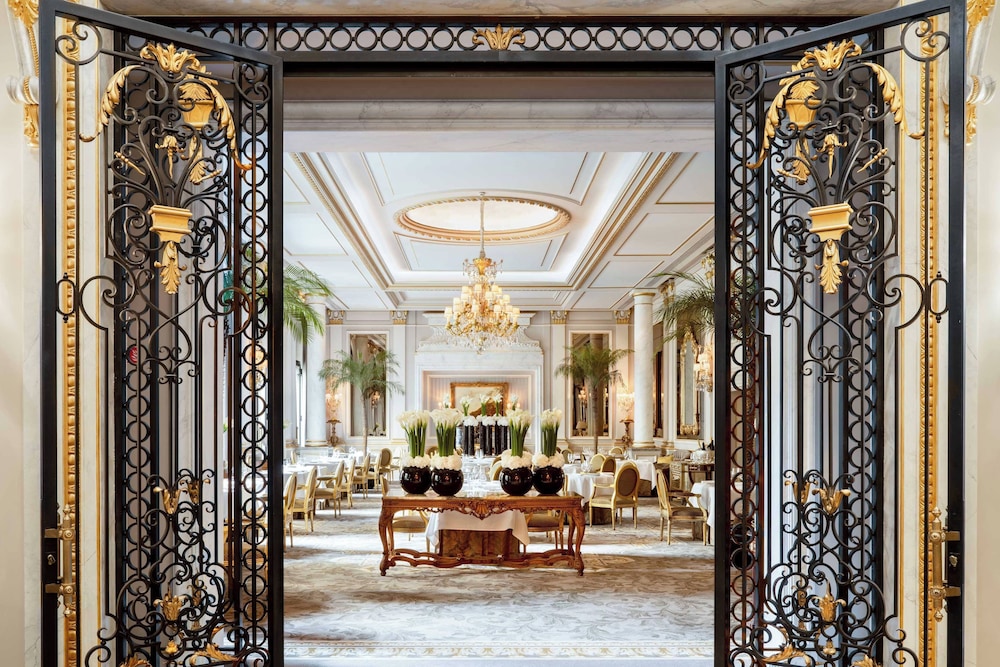
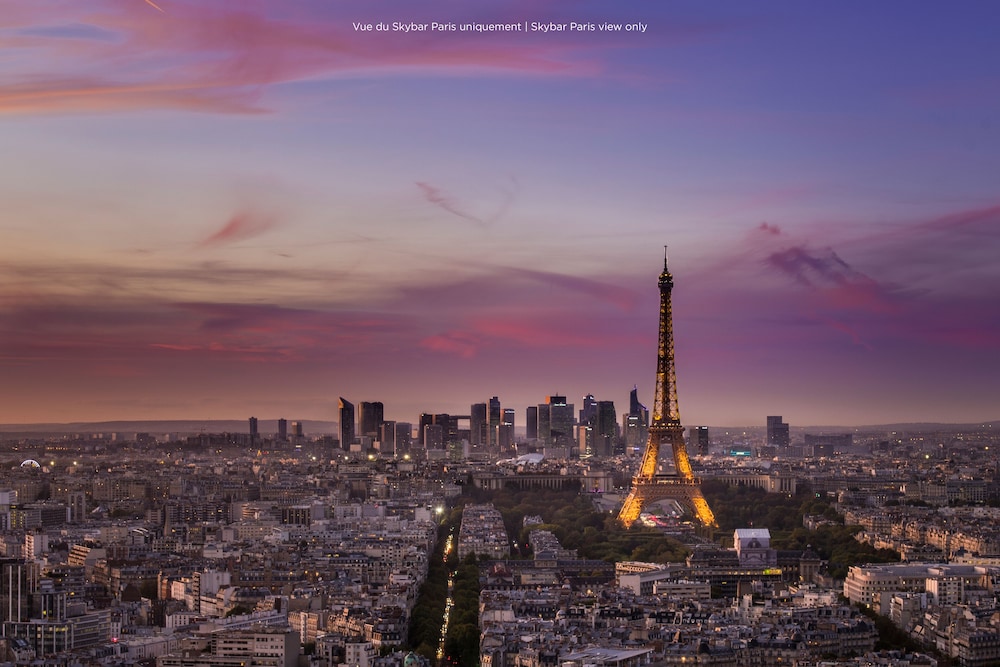
Paris is famous for its grand hotels: palaces with ornate suites, Michelin-starred restaurants, spas and staff who seem to anticipate your every need. Some are historic buildings on the Place Vendôme or along the Champs-Élysées, others are modern designer properties. Prices are high, particularly in fashion weeks, in spring and around Christmas and New Year. Look for landmark views, and read room descriptions carefully: a "view" can mean the Eiffel Tower or a sliver of rooftop.
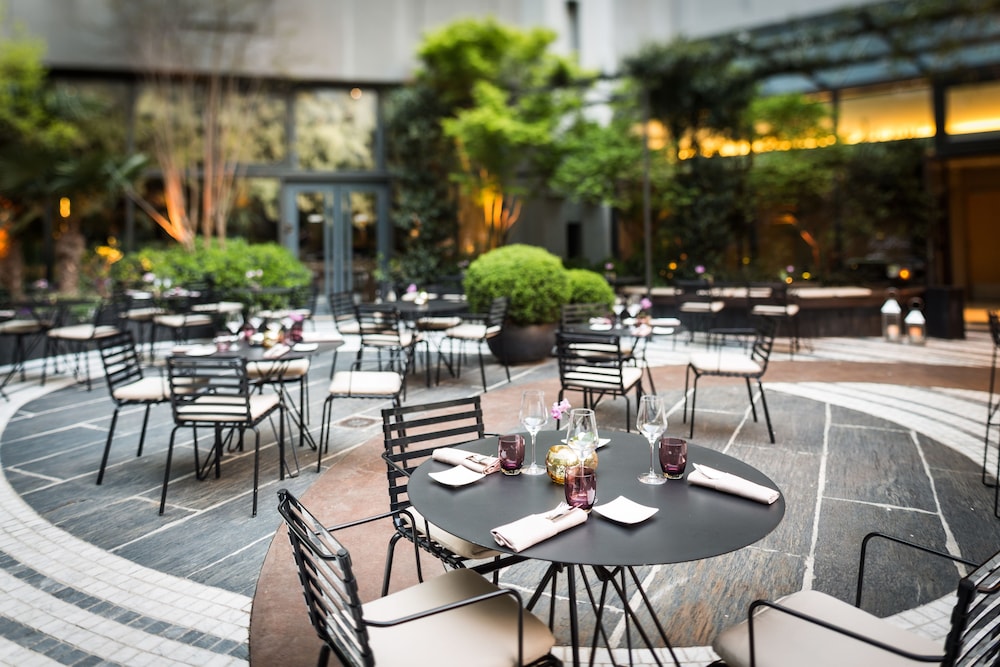
Paris's top hotels often put on a memorable experience beyond the room: afternoon tea, rooftop views, a garden courtyard in the middle of the city. If you are celebrating something, ask the hotel about arrangements in advance, since many are used to welcoming honeymooners and anniversary guests with a special touch.
Most travellers stay in mid-range hotels, typically three- or four-star properties with small but comfortable rooms, a lift, breakfast options and helpful staff. Look for hotels close to a metro station, with recent renovations and consistent reviews on cleanliness and noise. Mid-range hotels in the 5th, 6th, 7th, 9th and 15th arrondissements often give the best mix of location and price.
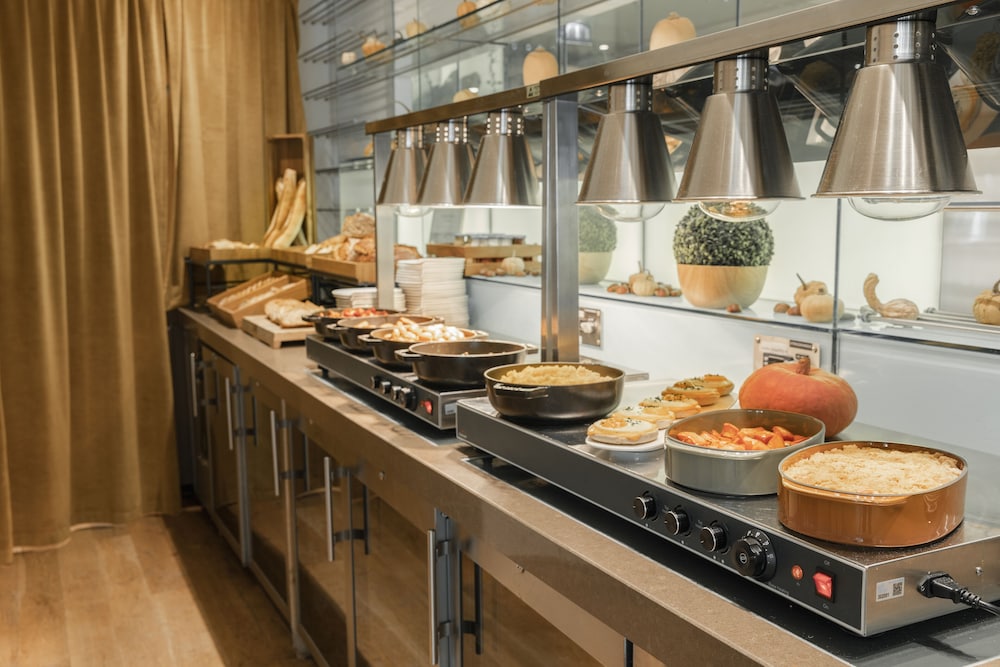
For travellers from India, a few extras are worth checking. Look for hotels with a kettle in the room or a breakfast that includes vegetarian options such as fruit, yoghurt, bread, cheese and pastries. Ask whether the hotel can recommend nearby vegetarian-friendly restaurants, since Paris has a growing number, including Indian and Middle Eastern places around the Gare du Nord and Passage Brady area. And check the check-in time, since many hotels do not allow early check-in, but most will store your luggage.
Budget hotels in Paris tend to be very small, with compact rooms and shared or tiny bathrooms. That is normal, and you should expect it. What matters is cleanliness, safety and metro access. Read recent reviews carefully, choose a reasonably central arrondissement and avoid the very cheapest options in areas with poor reviews. Booking outside peak periods can cut prices considerably.
If you are travelling with luggage, a hotel close to a station on a direct line from the airport saves effort. Charles de Gaulle Airport connects to the city by the RER B, while Orly is linked by tram and metro. Choose a hotel that suits your arrival route, particularly if you arrive late at night.
Family rooms are less common than in many other cities, and where they exist, they are often small. Look for apartments-style suites, connecting rooms or triple and quadruple rooms, and confirm the bed types. Check whether a lift is available, since many older buildings have narrow lifts or none. Hotels near the Luxembourg Gardens or the Champ de Mars give children space to play.
Families with young children should also check the distance to a park or playground and whether the hotel has a lift large enough for a pushchair. Apartment-style hotels, known as aparthotels, are a popular choice: they offer a kitchenette, more space and a washing machine in some cases, which helps on a longer trip. They can also be cheaper than booking two hotel rooms. Ask about baby cots and high chairs in advance.
Paris charges a tourist tax (taxe de séjour) per person per night, and it is often collected at the hotel rather than included in the online price, so check how the price is presented. Breakfast can be expensive if you add it separately, and local bakeries are an excellent, cheaper alternative. Air conditioning is not universal in older buildings, which matters in summer heat waves. Check for a lift, a safe and good soundproofing.
Which arrondissement is best for first-timers? The 6th, 7th and Le Marais are popular; the 9th and 15th offer better value.
Do Paris hotels have air conditioning? Not always. Check before booking a summer stay.
Is breakfast included? Sometimes. Compare with local bakeries.
Is a city tax charged? Yes, usually per person per night.