5
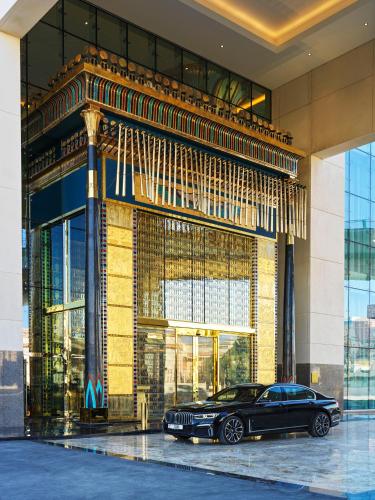
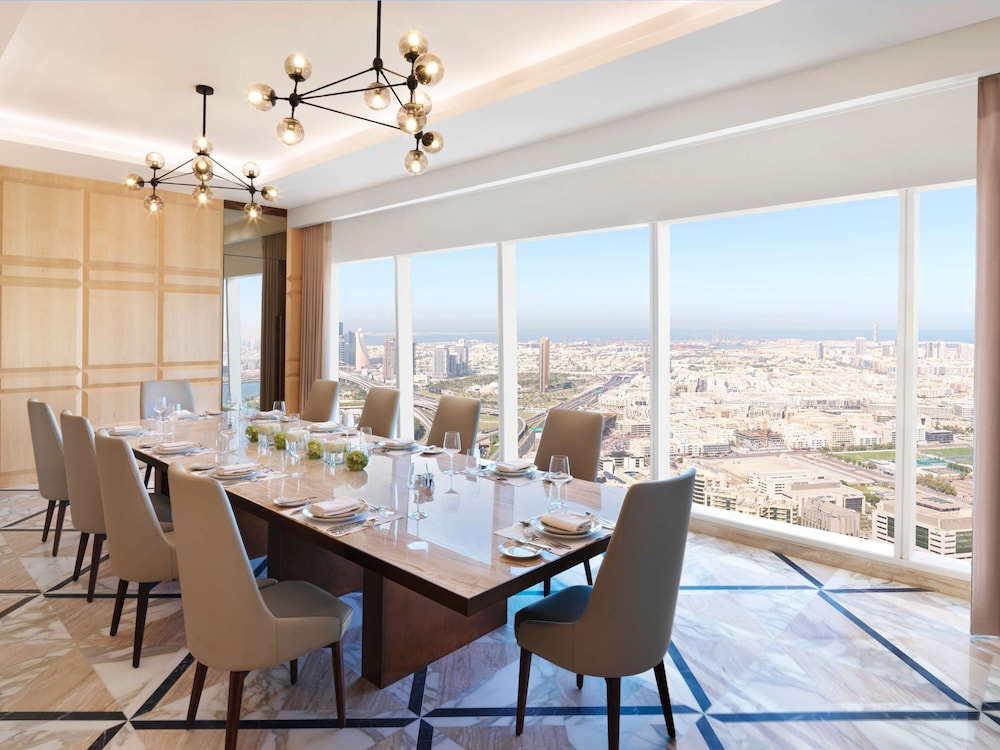
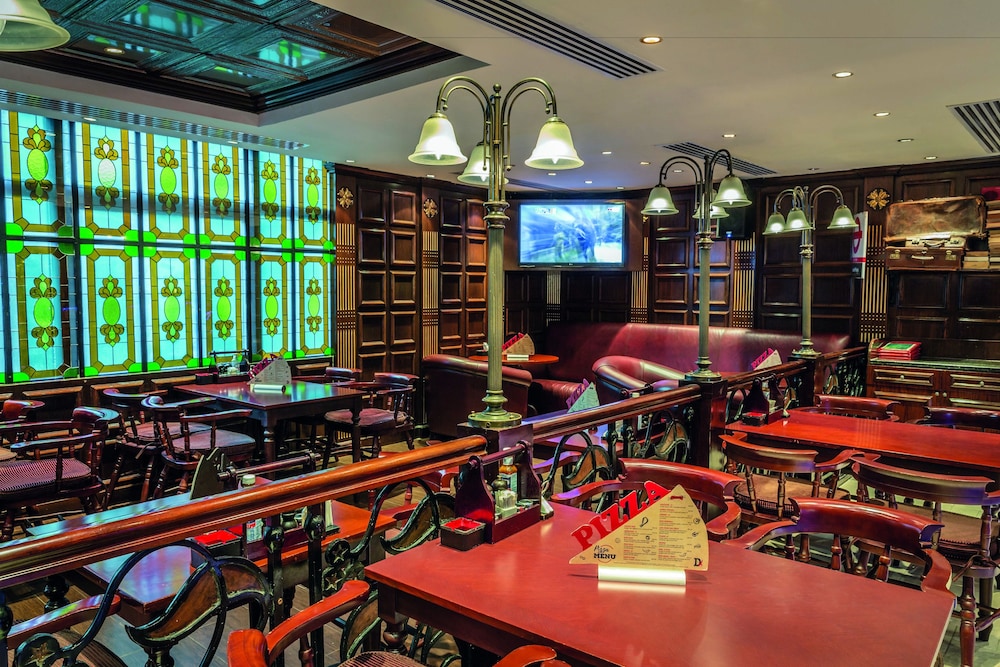
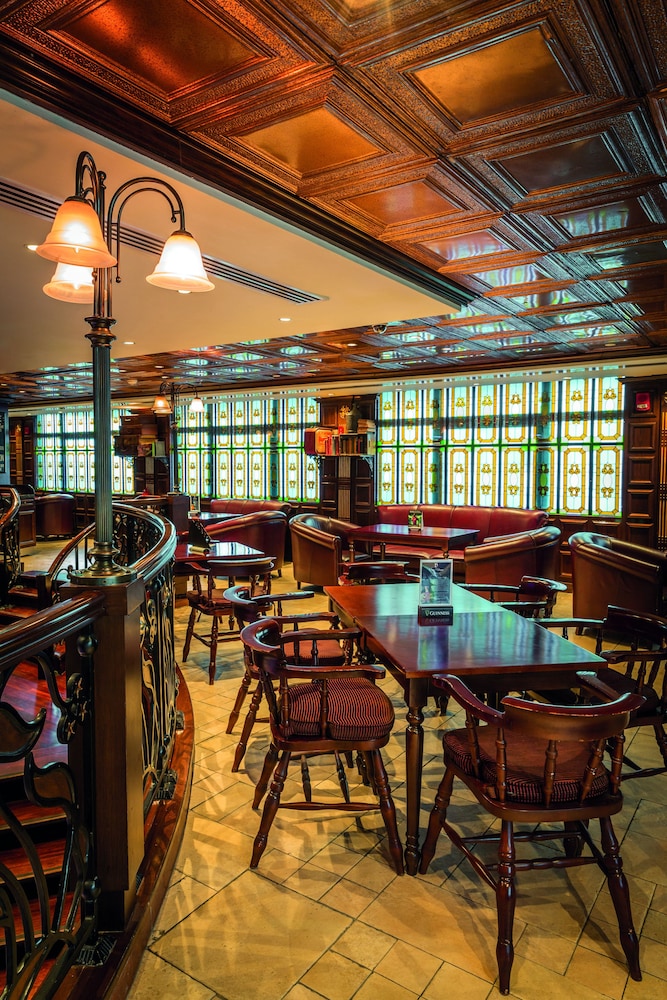
Sofitel Dubai The Obelisk
4.9(20k)
2 nights · 1 room
2 nights · 1 room
2 nights · 1 room

2 nights · 1 room
2 nights · 1 room


2 nights · 1 room
2 nights · 1 room

2 nights · 1 room

2 nights · 1 room

2 nights · 1 room

2 nights · 1 room

2 nights · 1 room
2 nights · 1 room

2 nights · 1 room


2 nights · 1 room
2 nights · 1 room
2 nights · 1 room

2 nights · 1 room

2 nights · 1 room
2 nights · 1 room
2 nights · 1 room
Picking where to stay in Dubai is a bigger decision than most first-timers realize, mostly because the city is more spread out than its skyline photos suggest. Downtown and Dubai Marina, the two most-booked areas, are roughly 25-30 minutes apart by car with no traffic, more like 45 minutes to an hour during rush periods. Choose the wrong base and you can end up spending a meaningful chunk of every day commuting to the things you actually came to see. Choose well and half your itinerary is walkable.
Dubai's Key Areas for Visitors
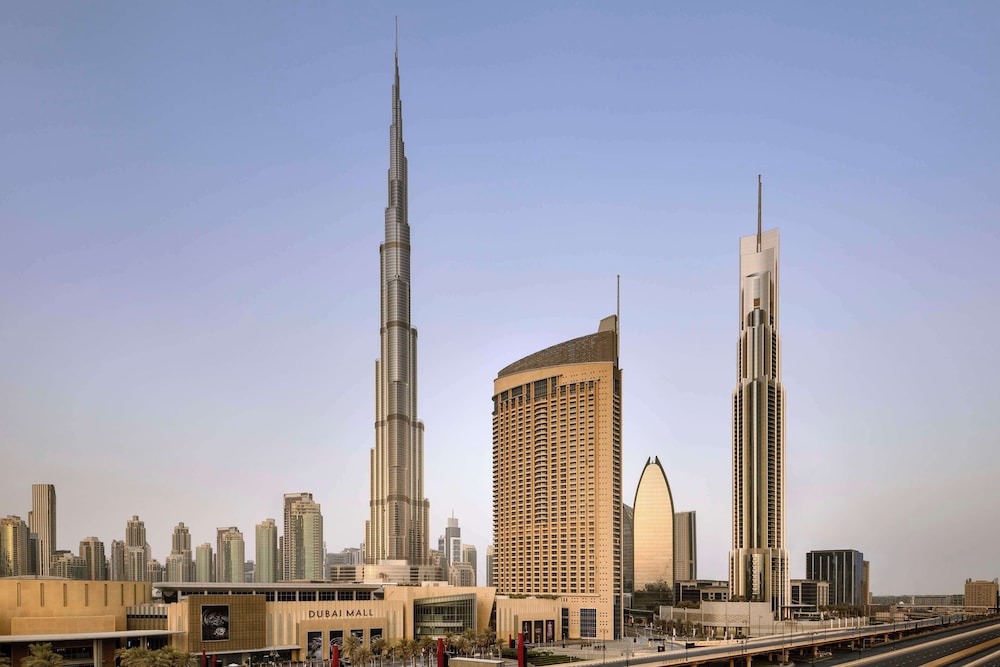
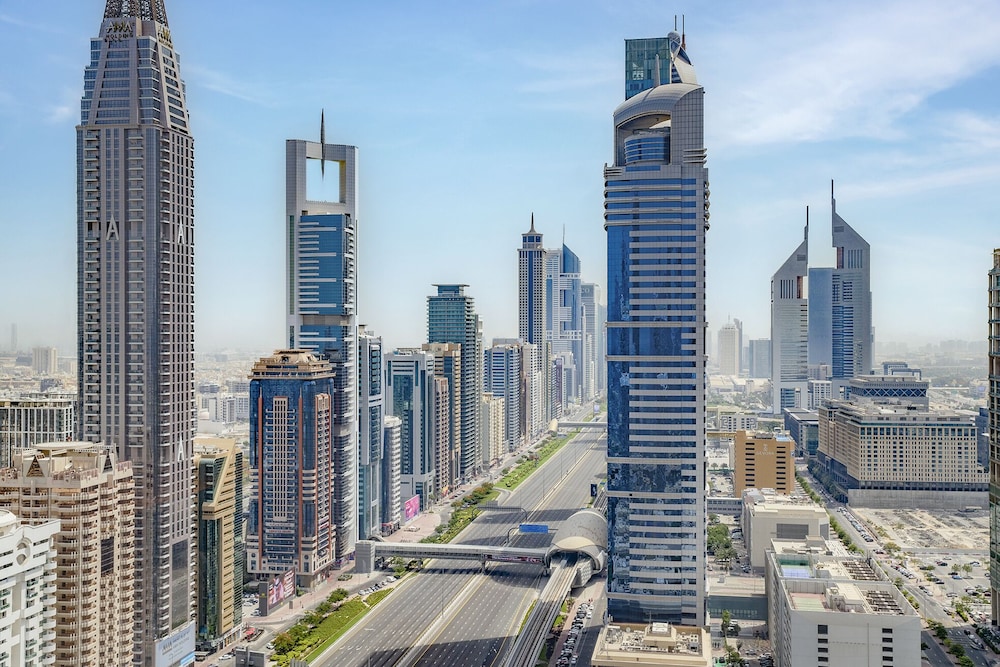
Downtown Dubai is the skyline you already know - Burj Khalifa, Dubai Mall, the Fountain - and staying here means most of the city's signature landmarks are a walk or a five-minute taxi away. It's also the priciest area on a per-night basis for comparable quality, and it can feel less like "a neighborhood" and more like a very polished district built around one enormous complex.
Dubai Marina, further west along the coast, has a completely different feel: a dense strip of waterfront towers, a walkable promenade (the Marina Walk) lined with restaurants and cafés, and direct access to JBR Beach a few minutes away on foot. It's the area most families and mid-range travelers gravitate toward, since it combines beach access, dining variety, and metro connectivity without Downtown's price premium.
Palm Jumeirah, the palm-shaped artificial island, is where Dubai's most photographed luxury resorts sit, Atlantis The Palm chief among them. It's more isolated than the other two areas, connected to the mainland by a single road and monorail, which makes it feel private and resort-like but also means everything off-island is a proper taxi ride away, not a quick walk.
Deira and Bur Dubai, Old Dubai, sit on the Creek and offer a completely different, much more budget-friendly experience: traditional souks, older architecture, and hotel rates that can run half of what comparable quality costs in Downtown or Marina. The trade-off is distance from the newer attractions and a noticeably less polished, more workaday urban feel.
Best Areas by Traveler Type
For Honeymooners (Palm Jumeirah Romance)
Palm Jumeirah is built for exactly this. Atlantis The Palm and the more recent Atlantis The Royal offer private beach access, overwater and skyline-view suites, and a level of resort infrastructure — spas, fine dining, aquarium access — that turns the hotel itself into a destination rather than just a base. The trade-off is that you're committing to a resort-vacation structure over a city-exploration one; day trips into Downtown or Old Dubai from the Palm add real time to your day. Many honeymoon itineraries we build split the stay — a few nights on the Palm for the resort experience, then relocate to Downtown for landmark-heavy days.
For Families (Marina Convenience, Kid-Friendly Resorts)
Marina wins for families mainly on logistics: walkable dining means fewer taxi negotiations with tired kids, JBR Beach is close enough for a spontaneous afternoon, and several Marina-area hotels run dedicated kids' clubs and family pool areas that Downtown's more business-and-luxury-skewed properties often don't prioritize as heavily. The metro connection also means day trips to Dubai Mall or the Desert Safari pickup points don't require pre-booked cars every time.
For Luxury Travelers (Downtown/Burj Khalifa Views)
If the point of the trip is proximity to the city's headline sights and a room that delivers a genuine Burj Khalifa or fountain view, Downtown is worth its premium. Properties directly overlooking the fountain or with direct mall access save meaningful time and effort across a multi-day stay, and Downtown's restaurant and rooftop bar scene is the strongest concentration in the city.
What Changes Between Budget, Mid-Range, and Ultra-Luxury
At the budget end — often in Deira, Bur Dubai, or slightly inland from Marina — expect clean, functional three-star properties, sometimes without a pool or with a small shared one, and a genuine price advantage: rates can run well under half of equivalent Downtown or Palm properties. Mid-range, generally four-star Marina or Downtown-adjacent hotels, typically adds a proper pool, breakfast inclusion, and a more central location without the ultra-luxury markup — this is where most family and value-conscious travelers land.
Ultra-luxury — Palm resorts, Downtown's flagship towers, some Marina high-rises — adds private beach or club-level access, multiple restaurant options on-site, and room categories built specifically around views (fountain-facing, Burj-facing, sea-facing all carry different premiums, sometimes a significant one for the same square footage). Many ultra-luxury properties also throw in extras mid-range hotels charge separately for — airport transfers, all-day dining credit, or complimentary access to a beach club — which can partially offset the headline rate if you'd have paid for those anyway. Check current rates directly before booking, since Dubai hotel pricing swings noticeably with season, and the gap between a mid-range and ultra-luxury stay for a comparable number of nights can be larger than in most other global cities.
Resort fees and mandatory add-ons are also worth checking line by line — some Palm and Marina properties bundle a daily resort fee covering pool and gym access that isn't always shown in the headline nightly rate, and it can add up meaningfully across a week-long stay.
Booking Tips (Metro Proximity, View Premiums, Seasonal Pricing)
Confirm metro proximity specifically, not just neighborhood name — some hotels advertised as "Marina" or "Downtown" are a genuine 15-20 minute walk from the nearest station, which matters in Dubai's heat far more than it would in a milder climate. A hotel two minutes from a metro entrance is worth more in practice than the map distance suggests.
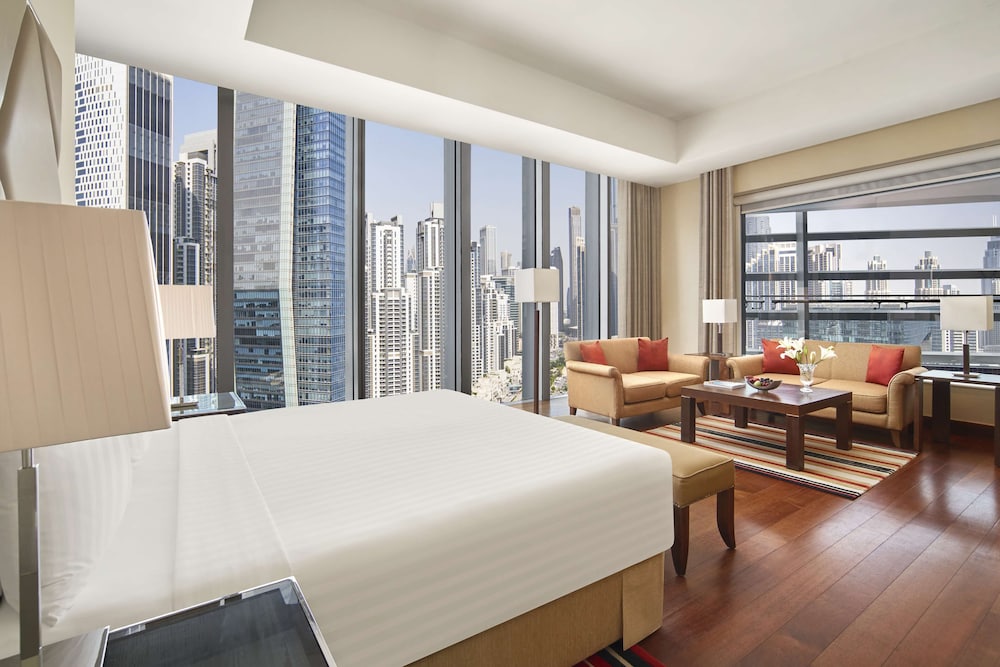
View premiums are real and worth interrogating before you pay them: a "Burj Khalifa view" room can mean anything from a full unobstructed skyline shot to a partial view past another tower, and hotels aren't always precise about which you're getting until you're standing in the room. When possible, check recent guest photos rather than relying on the marketing shot alone.
Seasonal pricing swings hard in Dubai — winter (November through March) is peak season with the highest rates and heaviest booking demand, while summer months see meaningfully lower prices across nearly every category as the heat pushes casual tourism down. If your dates are flexible, shoulder-season travel (April-May or October) often gets you winter-adjacent weather at a real discount versus peak rates.
How Onto Curates Its Hotel Picks
We don't rank hotels purely on star rating, because star rating tells you almost nothing about whether a property fits your specific trip. Instead we sort first by which of the three personas a stay is built around, then by area, then by the specific trade-offs above — walk-to-metro distance, genuine view quality, and family-friendliness for anyone traveling with kids. For most first-time visitors juggling landmark-heavy days, we lean toward Downtown or Marina over Palm Jumeirah unless a resort-style stay is explicitly the goal.