5
Hanging Gardens of Bali
4.7(1.9k)
2 nights · 1 room
2 nights · 1 room
2 nights · 1 room
2 nights · 1 room
2 nights · 1 room
2 nights · 1 room
2 nights · 1 room

2 nights · 1 room

2 nights · 1 room
2 nights · 1 room
2 nights · 1 room
2 nights · 1 room

2 nights · 1 room
2 nights · 1 room

2 nights · 1 room
2 nights · 1 room
2 nights · 1 room
2 nights · 1 room
2 nights · 1 room
2 nights · 1 room
2 nights · 1 room
Bali is one of the most popular international destinations for Indian travellers - for honeymoons, family holidays and luxury escapes alike. Direct flights from Delhi and Bengaluru, an easy visa on arrival and a huge range of stays, from simple guest houses to private pool villas and cliff-top resorts, make it remarkably accessible.
But Bali is bigger and more varied than most first-timers expect. The area you choose shapes your holiday far more than the hotel itself. A villa in the jungles of Ubud and a resort on the beach at Nusa Dua could be on different islands for how different the days feel. This guide walks through each area, who it suits, and how to split your nights.
Most visitors stay in the southern half of the island, within about an hour or two of Ngurah Rai International Airport (DPS), which sits on the narrow neck of land near Kuta.
The single most important thing to know: traffic in south Bali is heavy, especially around Kuta, Seminyak and Canggu in the late afternoon. Distances that look short on a map can take an hour or more. Choosing a base close to what you want to do - and splitting your stay between two areas - saves hours.
Seminyak is Bali's most stylish beach neighbourhood: boutique hotels and villas, excellent restaurants, beach clubs, designer shops and famous sunsets over the Indian Ocean. It's about 30–45 minutes from the airport, traffic permitting. See our [Seminyak Hotels page - domain pending].
Kuta and Legian, just south, are busier and more budget-friendly, with big hotels, shopping malls, a long surf beach and Waterbom Bali, a water park popular with families. Kuta is closest to the airport, which makes it useful for first and last nights.
North of Seminyak, Canggu has grown from rice fields into one of Bali's most fashionable areas, known for surf beaches, cafés, co-working spaces, yoga studios and a young, international crowd.
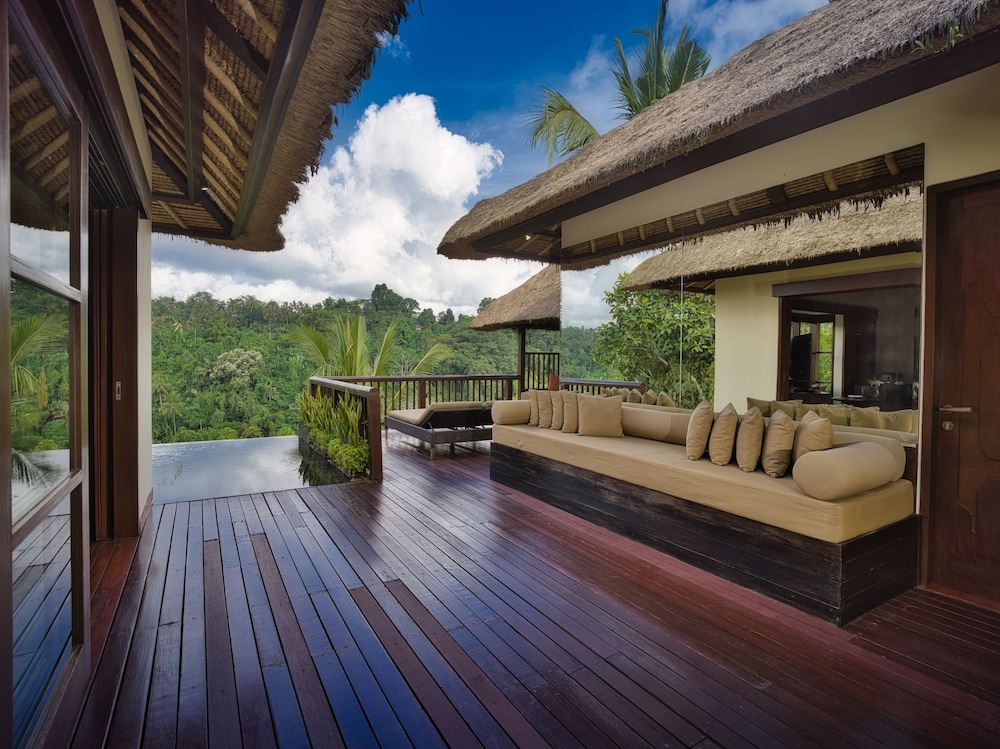
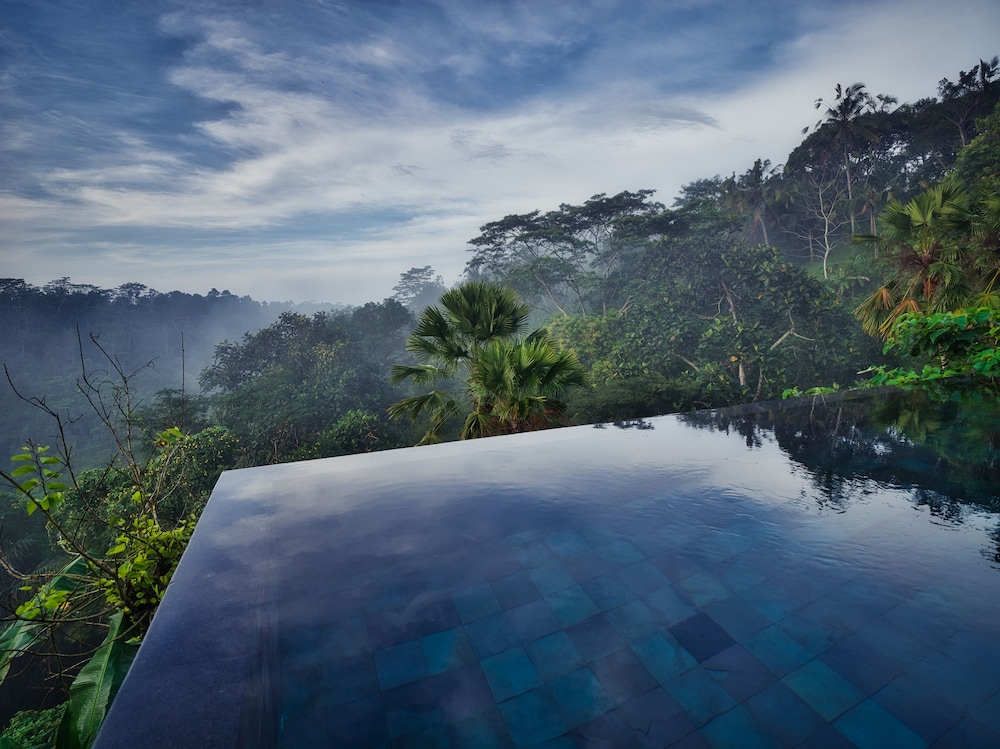
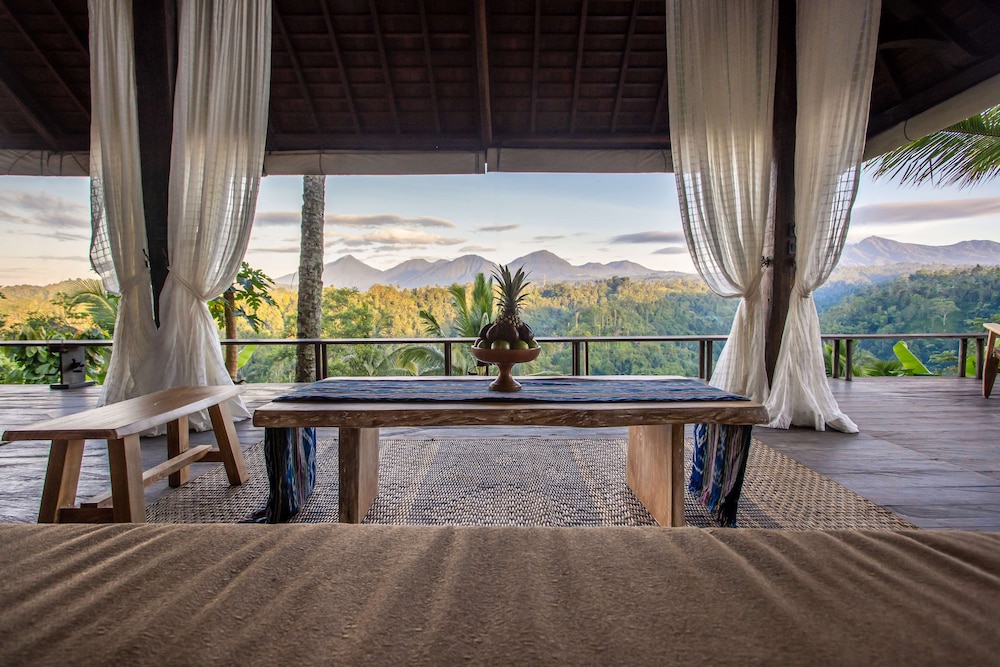
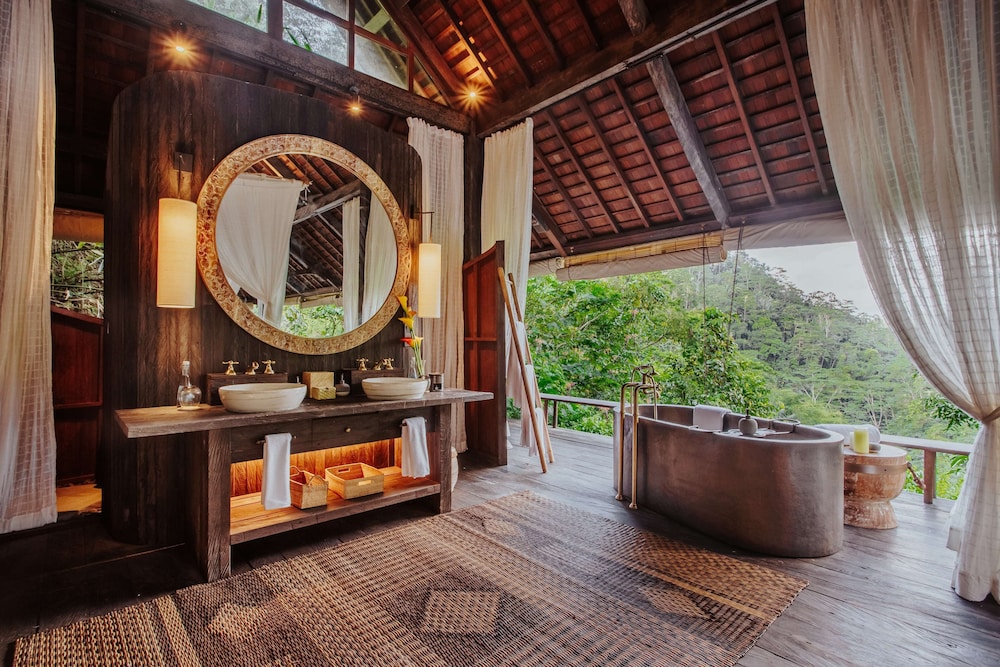
Ubud is Bali's cultural heart, set among rice terraces, river gorges and jungle. Expect temples, traditional dance performances, art galleries, yoga, the Sacred Monkey Forest Sanctuary and some of the island's most beautiful resorts, many with infinity pools overlooking the jungle.
Ubud is about 1–1.5 hours from the airport, and there's no beach. Most Indian travellers spend two to three nights here, then move to the coast. See our [Ubud Hotels page - domain pending].
Uluwatu, on the southern tip of the Bukit Peninsula, is known for dramatic limestone cliffs, world-class surf breaks, hidden beaches reached by steep steps, and the clifftop Uluwatu Temple, where the Kecak fire dance is performed at sunset. It has some of Bali's most spectacular cliff-top luxury resorts.
Jimbaran, on a calm bay just south of the airport, is famous for seafood dinners on the sand at sunset and for its upscale beachfront resorts.
Nusa Dua is a gated resort enclave on the Bukit Peninsula's east coast, lined with large international beachfront resorts, manicured gardens and calm, reef-protected waters. It's clean, quiet, secure and very easy, which makes it a favourite with families and older travellers.
Sanur, on the south-east coast, is one of Bali's oldest resort areas: relaxed, with a beachfront promenade, calm water and a slightly older crowd. It's also the departure point for fast boats to Nusa Penida.
For most Indian travellers on a 5–7 night trip, a two-base plan works best:
If you have an early flight home, consider your last night near the airport - in Kuta, Jimbaran or Nusa Dua - to avoid a long pre-dawn drive.